
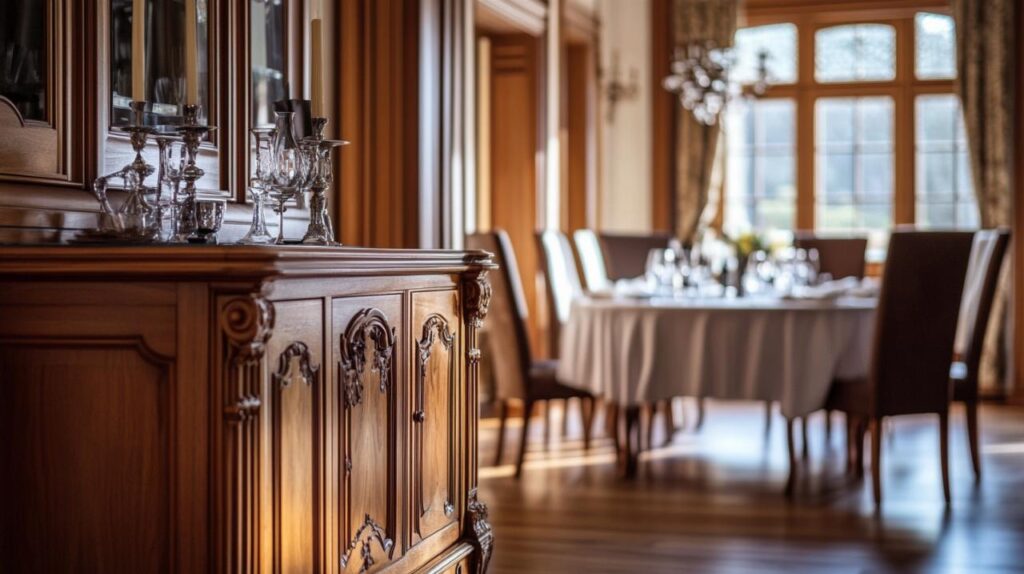
Selecting the perfect solid wood buffet for your dining room transforms not only the functionality of the space but also its overall ambience. A well-chosen piece serves as a practical storage solution whilst simultaneously acting as a statement of your personal taste and style. Whether you are furnishing a grand dining hall or a cosy breakfast nook, understanding the essential factors in choosing a buffet ensures that your investment enhances your home for years to come. This guide will walk you through the critical considerations, from spatial planning to material selection, helping you make an informed decision that complements both your lifestyle and your interior design vision.
Assessing your dining room dimensions and layout
Before embarking on your search for the ideal buffet, it is essential to conduct a thorough assessment of your dining room's dimensions and overall layout. A common mistake many homeowners make is selecting a piece that overwhelms the space or, conversely, appears diminutive and out of place. Taking precise measurements of the available wall space where you intend to position the buffet is the first step towards ensuring a harmonious fit. Equally important is considering the flow of movement within the room, as the buffet should not obstruct doorways or impede the natural circulation around your dining table and chairs.
Measuring your available space properly
Accurate measurements form the foundation of any successful furniture purchase. Begin by determining the length of the wall where the buffet will sit, then measure the height from floor to any architectural features such as dado rails or picture rails that might influence your choice. Standard sideboards typically range from seventy-five to ninety centimetres in height, which aligns well with the height of most dining tables. When considering depth, most buffets measure between forty and fifty centimetres deep, ensuring they do not protrude too far into the room. It is advisable to allow between sixty and eighty centimetres of clearance around the piece to facilitate comfortable movement and accessibility. This breathing space is particularly important in busier households where multiple people may need to navigate the dining area simultaneously.
Understanding proportions and traffic flow
The relationship between your buffet and the dining table is crucial for maintaining visual balance. A buffet should ideally be shorter than your dining table to preserve proper proportions within the room. For instance, if your dining table measures one hundred and eighty centimetres in length, a buffet between one hundred and twenty and one hundred and fifty centimetres would create a pleasing sense of harmony. Beyond mere measurements, consider how the placement of the buffet affects the room's traffic flow. Position the piece against a clear wall where it can serve as a functional focal point without disrupting the natural pathways people take when entering or moving about the space. This strategic positioning not only enhances practicality but also contributes to the overall aesthetic coherence of your dining room.
Matching your buffet to your interior design aesthetic
Your choice of buffet should reflect and complement the existing design language of your dining room. While perfect matching of every piece is neither necessary nor always desirable, achieving a cohesive look through complementary styles creates a refined and intentional atmosphere. Whether your home leans towards modern minimalism, traditional elegance, or an eclectic mix, the buffet you select should feel like a natural extension of your overall interior vision rather than an afterthought.
Coordinating with existing dining furniture
When selecting a buffet, take careful note of your current dining table and chairs, paying particular attention to their design details, finishes, and overall character. Furniture does not need to match perfectly, but it should share a common thread, whether that be in the wood tones, hardware style, or design period. For example, if your dining table features clean lines and a light oak finish, a buffet in a similar timber with understated hardware would create a unified look. Conversely, if your dining space embraces a more eclectic approach, you might opt for a piece that contrasts in finish but echoes similar proportions or design motifs. The key is to create visual balance whilst allowing each piece to contribute to the room's overall narrative. Resources such as casaxalon.es offer valuable insights into coordinating furniture pieces to achieve a harmonious interior scheme.
Balancing traditional and contemporary elements
One of the most rewarding aspects of selecting a buffet is the opportunity to bridge different design eras within your dining room. Traditional buffets often feature ornate detailing, turned legs, and rich, dark wood finishes such as mahogany or walnut, whilst contemporary designs tend towards streamlined silhouettes, lighter timbers like oak or ash, and minimal embellishment. Mid-century modern styles occupy a pleasing middle ground, offering clean lines with warm wood tones that complement both traditional and contemporary settings. Industrial-inspired buffets, which incorporate metal frames or mixed materials, can add an urban edge to more conventional dining rooms. When balancing these elements, consider the dominant style of your space and choose a buffet that either reinforces that aesthetic or provides a deliberate, well-considered contrast that adds visual interest without creating discord.
Selecting the Right Wood Type for Longevity and Appearance
The choice of wood is perhaps the most significant decision you will make when purchasing a solid wood buffet. Different timber species offer varying characteristics in terms of appearance, durability, and maintenance requirements. Understanding these distinctions enables you to select a material that not only suits your aesthetic preferences but also stands up to the practical demands of daily use in your dining room.
Comparing oak, walnut, and pine characteristics
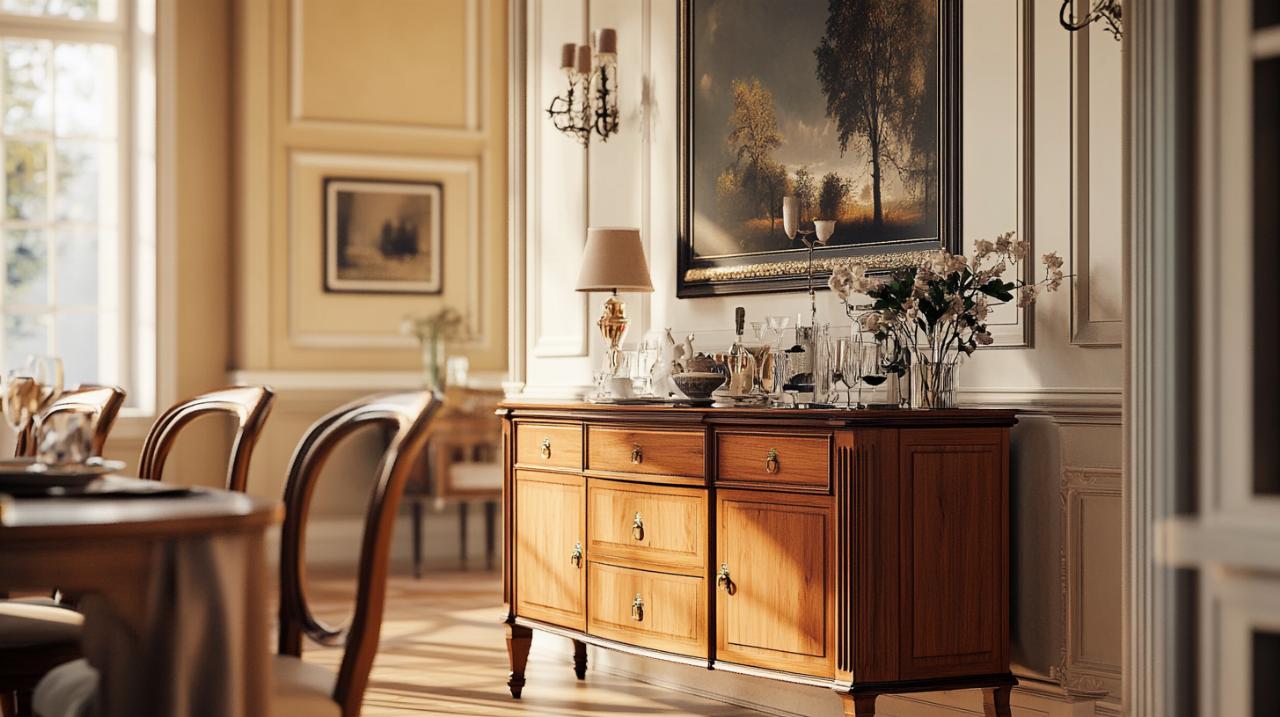
Oak remains one of the most popular choices for solid wood furniture, prized for its strength, durability, and distinctive grain pattern. It possesses a warm, honey-toned appearance that deepens with age, making it suitable for both traditional and contemporary interiors. Walnut, by contrast, offers a richer, darker hue with a fine, straight grain that exudes sophistication and elegance. This timber is slightly softer than oak but still provides excellent durability and is particularly favoured in mid-century and modern designs. Pine presents a more affordable option, characterised by its lighter colour and prominent knots, which lend a rustic, informal charm. Whilst pine is softer and more susceptible to dents and scratches than hardwoods, it can be an excellent choice for casual dining spaces or country-style interiors. Beyond these classics, mango wood and reclaimed timber have gained popularity for their unique character and sustainability credentials, each bringing distinct aesthetic qualities to your dining room.
Evaluating wood grain patterns and finishes
The grain pattern and finish of your chosen wood significantly influence the final appearance of your buffet. Oak displays a pronounced, open grain that adds texture and visual interest, particularly when finished with a natural oil that enhances its inherent beauty. Walnut features a finer, more subtle grain that creates an elegant, refined surface, especially when finished to a matte or satin sheen. The finish you select, whether glossy, matte, or distressed, will affect not only the aesthetic but also the maintenance requirements of your buffet. Glossy finishes highlight the wood's natural lustre and are easier to clean but may show fingerprints and scratches more readily. Matte and distressed finishes offer a more relaxed, lived-in appearance and tend to conceal minor imperfections more effectively. Consider how the finish will interact with the lighting in your dining room, as different sheens reflect light in varying ways, affecting the overall ambience of the space.
Maximising storage functionality in your buffet
Whilst aesthetic considerations are paramount, the practical storage capacity of your buffet should not be overlooked. The primary function of a buffet is to provide convenient storage for dining essentials whilst keeping them readily accessible yet neatly concealed. Assessing your specific storage needs before making a purchase ensures that your buffet will serve you well for years to come, accommodating everything from your best china to everyday table linens.
Determining your crockery and cutlery requirements
Begin by taking stock of the items you need to store. Most households require space for dinnerware, glassware, cutlery, table linens, and serving pieces. If you entertain frequently, you may also need to accommodate larger items such as serving platters, tureens, or specialised glassware. Consider whether you prefer to display certain items, such as decorative china or crystal, which would necessitate a buffet with glass-fronted cabinets or open shelving. For those with extensive wine collections, a buffet incorporating a wine rack or dedicated bottle storage can be particularly valuable. Understanding the volume and variety of items you need to store will guide you towards a buffet with the appropriate combination of storage features, ensuring that everything has its place and is easily accessible when required.
Choosing between drawers, cupboards, and shelving
The internal configuration of your buffet significantly impacts its usability. Drawers are ideal for storing cutlery, table linens, and smaller items that benefit from being compartmentalised and easily accessible. Cupboards with solid doors provide concealed storage for larger items and help maintain a tidy appearance, whilst adjustable shelves within cupboards offer flexibility to accommodate items of varying heights. Open shelving or glass-fronted cabinets create opportunities for display, allowing you to showcase attractive dinnerware or decorative pieces whilst keeping them protected from dust. Many well-designed buffets offer a combination of these storage types, providing versatility to meet diverse needs. Consider also the quality of hardware, including drawer runners and door hinges, as these components directly affect the longevity and ease of use of your buffet. Soft-close mechanisms, whilst a premium feature, significantly enhance the user experience and protect the furniture from the wear associated with slamming drawers and doors.
Establishing a Realistic Budget for Quality Solid Wood
Solid wood furniture represents a significant investment, and establishing a realistic budget before you begin shopping helps narrow your options and prevents disappointment. Whilst it may be tempting to opt for the least expensive option, understanding the relationship between price, quality, and longevity is essential for making a wise purchasing decision that provides value over time.
Understanding price variations across wood types
The species of wood has a direct impact on the price of a buffet. Hardwoods such as oak, walnut, and mahogany command higher prices due to their superior durability, attractive grain patterns, and the slower growth rates of the trees from which they are harvested. Pine and other softwoods are generally more affordable but may require more careful maintenance to preserve their appearance over time. Exotic woods like teak and mango offer distinctive aesthetics and excellent durability but can vary significantly in price depending on their source and availability. Reclaimed wood, whilst often sustainable and characterful, may also carry a premium due to the labour-intensive process of sourcing and preparing the timber. When comparing prices, consider not only the wood type but also the construction methods employed, as pieces featuring traditional joinery techniques such as dovetail joints represent superior craftsmanship and longevity compared to those relying on modern fasteners alone.
Balancing Cost with Craftsmanship and Durability
A well-crafted solid wood buffet is an heirloom piece that can serve your family for generations, making it worthwhile to invest in quality construction and materials. Examine the joinery, finish quality, and overall build when evaluating options across different price points. Lower-priced pieces may utilise veneers over composite materials rather than solid wood throughout, which can affect both appearance and durability. Whilst such pieces may offer initial savings, they typically do not age as gracefully as solid wood construction. Consider also the reputation of the manufacturer and any warranties or guarantees offered, as these provide insight into the expected longevity of the piece. Many retailers offer financing options, making higher-quality pieces more accessible, and seasonal sales can provide opportunities to acquire premium furniture at reduced prices. Ultimately, balancing your budget with a clear-eyed assessment of quality ensures that your buffet provides excellent value, enhancing your dining room for many years whilst justifying the initial investment through its enduring functionality and beauty.