
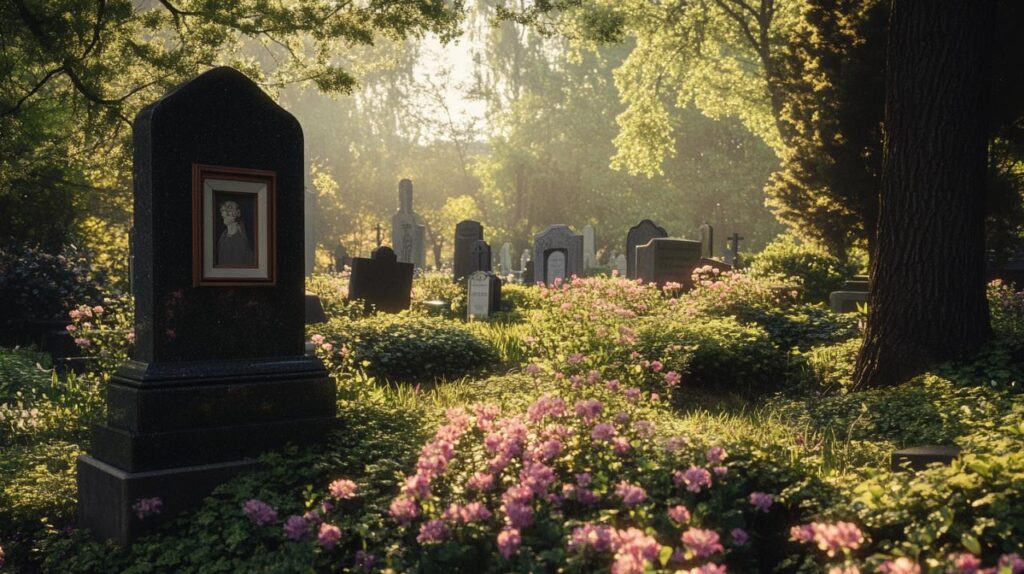
Losing someone dear brings with it an overwhelming wave of emotions and decisions that must be made with care and sensitivity. One of the most meaningful ways to honour a loved one's memory is by placing a photograph on their funeral monument, creating a lasting tribute that allows family and friends to feel connected to the person they have lost. This practice has become increasingly popular, as it offers a deeply personal touch to what might otherwise seem a cold and formal memorial. Whether you are considering a porcelain portrait, a laser-etched image on granite, or a carefully secured photo medallion, understanding the options and processes involved will help ensure that your tribute stands the test of time and weather, serving as a beautiful reminder of a cherished life for generations to come.
Choosing the Right Type of Memorial Photo for Your Monument
Selecting the appropriate method to display a photograph on a headstone or memorial plaque requires careful thought, as each option offers distinct advantages in terms of durability, aesthetic appeal, and cost. The decision often depends on the material of the monument itself, the desired permanence, and the overall style you wish to achieve. For families seeking a traditional yet elegant look, porcelain portraits and photo medallions remain the most popular choices, while those favouring a more modern and integrated appearance might prefer laser etching directly onto the granite surface.
Understanding photo medallions and porcelain portraits
Photo medallions, typically crafted from porcelain or ceramic, have been used for decades to grace headstones and memorial plaques with lifelike images of the deceased. These small, oval or rectangular pieces are fired at high temperatures, which fuses the image permanently into the material, making them exceptionally resistant to fading and weathering. The process involves transferring a photograph onto a porcelain surface using specialised inks and techniques, then encasing it in a protective glaze. This method ensures that the colours remain vibrant and true, even after years of exposure to rain, frost, and sunlight. Many families appreciate the classic and timeless quality of porcelain portraits, as they lend a sense of dignity and reverence to the memorial. The medallions are usually fitted into a recessed area on the headstone, secured with adhesive or mechanical fixings, and can be replaced if necessary, though this is rarely needed given their robust construction.
Comparing Laser Etching on Granite Headstones with Traditional Methods
Laser etching has revolutionised the way photographs can be permanently added to granite monuments, offering a level of detail and precision that was previously unattainable. This technique involves using a high-powered laser to carve the image directly into the stone, creating a series of tiny, shallow engravings that together form a detailed likeness. The result is a stunning, permanent tribute that becomes an integral part of the headstone itself, rather than an added element. Unlike photo medallions, laser-etched images cannot be removed or replaced, which means they are truly everlasting. The process works best on darker granite, such as black or deep grey, where the contrast between the etched areas and the polished surface creates a striking visual effect. Lighter stones can also be etched, but the image may appear less defined. Laser etching is particularly suited to capturing fine details, such as facial features, clothing textures, and even background elements, making it an excellent choice for families who wish to see their loved one depicted with remarkable clarity. While traditional methods like sandblasting can also be used to create images on stone, they lack the finesse and resolution that laser technology provides, often resulting in a softer, less precise representation.
Practical Steps for Installing a Picture on Memorial Plaques
Once you have decided on the type of photographic memorial that best suits your needs, the next step is to prepare the image and work with professionals to ensure it is installed correctly. This process requires attention to detail and a collaborative approach with stonemasons or memorial specialists who possess the skills and equipment necessary to achieve a flawless result. Proper preparation of the photograph itself is crucial, as the quality of the original image will directly affect the final appearance on the monument.
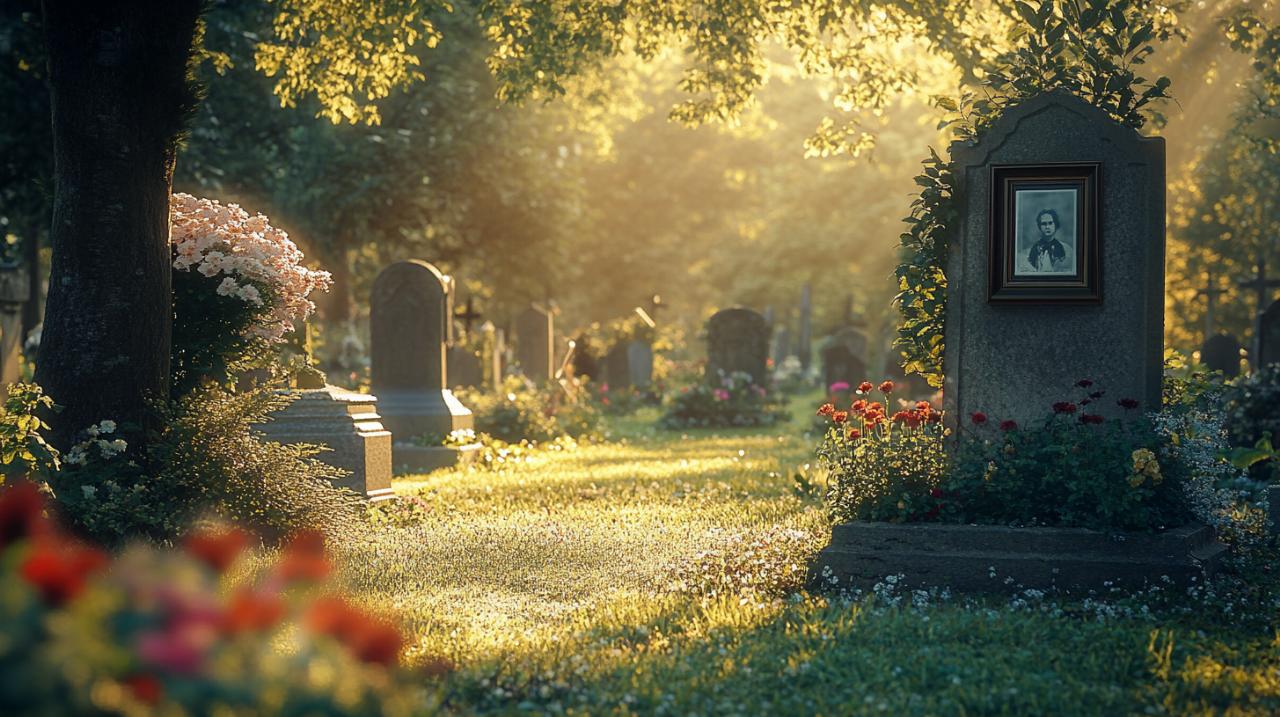
Preparing your chosen photograph for permanent display
The first and most important task is to select a photograph that truly captures the essence of your loved one. Ideally, this should be a high-resolution image with clear focus and good lighting, as any imperfections will be magnified during the transfer or etching process. If you are working with an older photograph, consider having it professionally scanned at a minimum of 600 dots per inch to ensure that the detail is preserved. Many memorial specialists recommend choosing an image where the subject is facing the camera directly, as this tends to create the most impactful and recognisable likeness. Avoid pictures with busy backgrounds or multiple people, as these can detract from the focal point and make the final image appear cluttered. Once you have selected the photograph, it may need to be digitally enhanced or retouched to adjust brightness, contrast, and colour balance, ensuring that it translates well onto porcelain or stone. Memorial service providers and funeral directors often have partnerships with skilled graphic designers who can assist with this stage, offering guidance on cropping and composition to achieve the best possible result. It is also wise to discuss any specific requests or concerns with the designer, such as removing distracting elements or softening harsh shadows, as these adjustments can make a significant difference to the overall quality of the memorial portrait.
Working with Stonemasons to Secure Your Memorial Portrait Properly
Installing a photograph on a headstone or memorial plaque is not a task to be undertaken lightly, as it requires both technical expertise and a deep respect for the permanence of the work being carried out. Engaging a reputable stonemason or memorial specialist is essential, as these professionals possess the tools, materials, and experience needed to ensure that the photo medallion or etched image is fitted securely and will withstand the elements for many years. For porcelain portraits, the stonemason will typically create a recessed area on the headstone, known as a rebate, into which the medallion will be placed. This recess must be precisely measured and cut to ensure a snug fit, preventing water from seeping behind the portrait and causing damage. The medallion is then secured using a combination of adhesive and, in some cases, small metal clips or pins, providing both stability and protection. It is important to choose adhesives that are specifically designed for outdoor use and can withstand temperature fluctuations, as ordinary glues may fail over time. When opting for laser etching, the stonemason will prepare the surface of the granite by cleaning and polishing it to ensure that the laser can create a clear and consistent image. The etching process itself can take several hours, depending on the size and complexity of the photograph, and must be carried out with great care to avoid errors. Throughout the installation, the stonemason should communicate with you regularly, providing updates and seeking approval at key stages to ensure that the final result meets your expectations and honours your loved one in the manner they deserve.
Maintaining and Protecting Photos on Personalised Memorials
Once a photograph has been added to a funeral monument, it becomes a cherished focal point for family members and friends who visit the grave or memorial site. However, exposure to the elements means that regular care and attention are necessary to preserve the image and keep it looking as fresh and vibrant as possible. Understanding the best practices for maintenance, as well as the inherent durability of different photographic methods, will help ensure that your tribute remains a source of comfort and connection for many years.
Weather-resistant options for long-lasting tributes
The British climate, with its frequent rain, frost, and occasional harsh sunlight, can be unforgiving to outdoor memorials, which is why selecting weather-resistant materials is so important. Porcelain photo medallions are renowned for their ability to endure even the most challenging conditions, as the firing process creates a surface that is impervious to moisture and highly resistant to fading. The protective glaze applied during manufacture acts as a barrier against UV rays, preventing the colours from washing out over time. Similarly, laser-etched images on granite are virtually indestructible, as the engraving becomes a permanent part of the stone itself, unaffected by rain, snow, or sun. However, even these robust materials can benefit from periodic cleaning and inspection to ensure that any minor issues, such as algae growth or surface dirt, are addressed before they become more serious. When choosing a memorial, it is worth discussing the long-term durability of different options with your funeral director or stonemason, as they can provide valuable insights into which methods have proven most resilient in your local area. Some families also opt for protective covers or canopies to shield the memorial from the worst of the weather, though this is generally unnecessary if high-quality materials and installation techniques have been used.
Regular care tips to preserve your loved one's image over time
Maintaining the appearance of a photograph on a headstone does not require extensive effort, but a little regular attention can make a significant difference. For porcelain portraits, gentle cleaning with warm water and a soft cloth is usually sufficient to remove any accumulated dirt or grime. Avoid using harsh chemicals or abrasive materials, as these can scratch the glaze or damage the image. If you notice any green algae or lichen beginning to form, a mild solution of diluted bleach or a specialist stone cleaner can be applied, but always test on a small, inconspicuous area first to ensure it does not cause discolouration. Laser-etched images on granite can be cleaned in much the same way, though the stone itself may benefit from occasional polishing to restore its shine and enhance the contrast of the etching. It is also a good idea to check the surrounding area for any signs of damage, such as cracks or loose fittings, and to address these promptly to prevent further deterioration. Many memorial specialists offer maintenance services, providing professional cleaning and inspection on a regular basis, which can be a comforting option for families who live far from the burial site or who find it difficult to visit frequently. By taking these simple steps, you can ensure that the photograph remains a beautiful and enduring tribute, allowing future generations to see and remember the person you loved, just as you do today.