
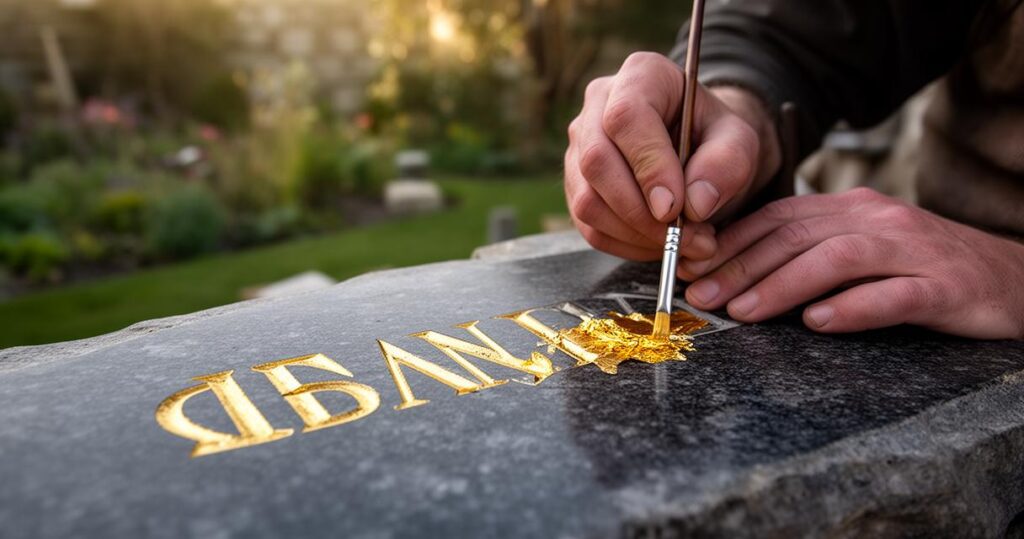
Funeral plaques stand as enduring tributes to lives lived, often marking significant moments in history or commemorating those who have passed. Over time, however, these memorials can lose their lustre due to environmental exposure, oxidation, or simple weathering. Restoring such pieces requires a delicate balance between reviving their appearance and honouring the historical narrative they represent. Whether positioned in a churchyard, public monument, or private estate, these plaques deserve careful attention that respects both their material integrity and their commemorative purpose.
- The restoration of funeral plaques requires a careful balance between aesthetic improvement and the preservation of historical integrity.
- A thorough initial assessment of the plaque's material—such as bronze, brass, or stone—is essential to determine the appropriate cleaning techniques.
- Documenting the current patina and weathering patterns through photography is crucial, as these features often hold historical value and should not always be removed.
- It is vital to avoid harsh household chemicals, favoring pH-neutral solutions that clean surfaces without causing chemical damage or etching.
- Cleaning methods should always start with the least invasive approach, using soft-bristled brushes to protect delicate engravings and fine details from mechanical wear.
- In situ restoration is recommended for public or communal monuments to maintain their historical context and minimize disruption.
Assessing the Condition and Material Composition of Your Memorial Plaque
Before embarking on any restoration work, it is essential to conduct a thorough evaluation of the plaque's current state. This initial assessment will inform every subsequent decision, ensuring that the chosen methods are appropriate for the material and extent of deterioration. Understanding what you are working with is the cornerstone of successful conservation, and it helps prevent inadvertent damage that could compromise the piece further.
Identifying bronze, brass, and stone plaque materials
Funeral plaques come in a variety of materials, each with distinct characteristics and care requirements. Bronze remains one of the most common choices due to its durability and capacity to hold fine detail. Over time, bronze develops a natural patina, a greenish or brownish layer that forms as the metal reacts with moisture and atmospheric elements. This patina can be aesthetically pleasing and acts as a protective barrier, so removing it entirely may not always be advisable. Brass, another popular material, shares similarities with bronze but tends to develop a different colour profile, often acquiring a darker, more muted tone. Stone plaques, typically crafted from granite or marble, present their own challenges, as they are porous and susceptible to staining, biological growth, and weathering. Identifying the precise material composition is the first step, as it dictates the cleaning agents, tools, and techniques that will be safe and effective. A professional condition assessment can provide detailed insights, especially when dealing with historic or particularly valuable pieces.
Documenting existing patina and historical weathering patterns
Once the material is identified, the next step involves documenting the current appearance of the plaque. Photographs taken from multiple angles and under varied lighting conditions serve as an invaluable record, capturing the existing patina, any engraved or raised lettering, and the overall weathering patterns. This documentation is not merely for record-keeping; it provides a reference point throughout the restoration process, ensuring that any changes made are intentional and reversible where possible. Historical weathering patterns can offer clues about the plaque's age, environmental conditions it has endured, and previous restoration attempts. Some patinas and surface textures may hold historical significance themselves, representing decades or even centuries of exposure. Removing such features without consideration can strip away part of the object's story. Therefore, careful observation and documentation are critical, allowing conservators to make informed decisions about what should be preserved and what requires intervention. In situ restoration, where work is carried out at the original location, can be particularly valuable for minimising disruption and maintaining context, especially for war memorials and public monuments that hold communal significance.
Gentle cleaning methods that respect original craftsmanship
Cleaning is often the most transformative stage of restoration, yet it is also where the greatest risk of damage lies. The goal is to remove accumulated dirt, biological growth, and corrosion products without eroding the original surface or damaging intricate details. This requires a methodical approach, using the gentlest effective means and progressing cautiously.
Selecting pH-Neutral Solutions for Delicate Surface Treatment
Commercial cleaning products, particularly those formulated for general household use, can be far too harsh for historic plaques and may cause irreversible harm. Many such products contain acids, alkalis, or abrasives that can strip patina, etch surfaces, or alter the colour of metals. Instead, conservators favour pH-neutral solutions that clean without chemical aggression. A simple mixture of mild soap and warm water is often sufficient for initial cleaning, removing surface dirt and organic matter without affecting the underlying material. For bronze and brass plaques, specialist bronze cleaners are available, formulated to lift oxidation gently whilst preserving the integrity of the metal. Alternatively, a homemade paste of baking soda and lemon juice can be effective for treating light oxidation, though it should be tested on an inconspicuous area first to ensure compatibility. When dealing with stone plaques, especially those made from porous granite or limestone, it is crucial to avoid acidic cleaners that can cause etching or discolouration. Instead, gentle detergents and distilled water are recommended, applied with soft cloths or sponges to avoid scratching. The cleaning process should always begin with the least invasive method, escalating only if necessary and always with caution.
Proper brushing techniques to avoid damaging engraved details
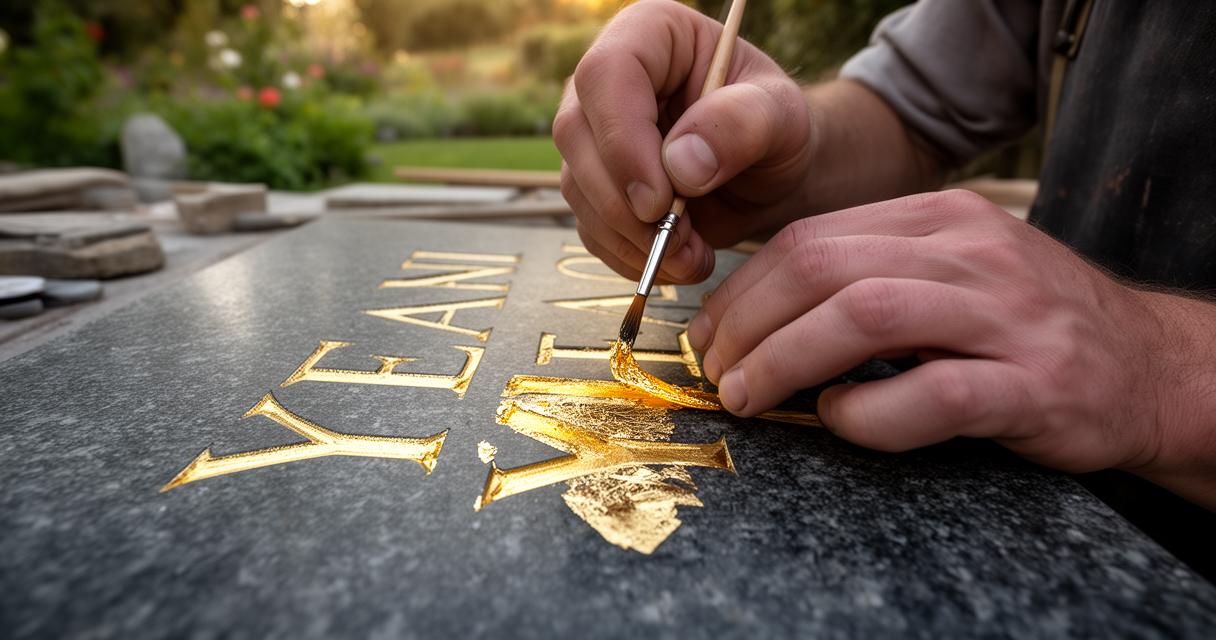
Engraved and etched lettering, gilded finishes, and raised details are particularly vulnerable during cleaning. These features require careful handling to prevent wear or loss of definition. Soft-bristled brushes, such as those made from natural fibres or soft nylon, are ideal for accessing crevices and textured surfaces without causing abrasion. The brushing motion should be gentle and consistent, following the direction of the engraving rather than scrubbing vigorously across it. For delicate gilded plaques, even softer tools such as cotton swabs or microfibre cloths may be more appropriate, as metallic gilding can be surprisingly fragile. Patience is essential; restoration is not a race, and taking the time to work slowly reduces the risk of accidental damage. After brushing, the plaque should be rinsed thoroughly with clean water to remove any residual soap or cleaning agents, then dried completely with a soft cloth. Moisture left on the surface can lead to further oxidation or staining, particularly on bronze and brass. Regular maintenance schedules, involving light cleaning every three to six months for outdoor plaques and annually for indoor pieces, can help preserve the restoration work and prevent the build-up of corrosion or grime. Such ongoing care is far less labour-intensive than periodic major restorations and contributes significantly to the long-term preservation of the memorial.
Applying protective finishes whilst maintaining authentic appearance
Once the plaque has been cleaned and any necessary repairs completed, the final stage involves applying a protective finish. This step is vital for safeguarding the restored surface from future environmental damage, yet it must be executed with a light touch to avoid altering the plaque's historical appearance.
Choosing conservation-grade waxes and sealants
Protective coatings serve as a barrier against moisture, pollutants, and biological growth, all of which can accelerate deterioration. For bronze and brass plaques, conservation-grade waxes are often preferred due to their reversibility and ease of application. These waxes, typically microcrystalline or renaissance wax formulations, create a thin, breathable layer that does not trap moisture beneath the surface. They can be buffed to a subtle sheen, enhancing the natural colour of the metal without producing an artificial gloss. Application should be even and sparing, as excess wax can attract dust and obscure fine details. For stone plaques, breathable sealants designed for porous materials are available, though their use should be considered carefully, as some sealants can darken the stone or alter its texture. In many cases, regular cleaning and maintenance may suffice without the need for a sealant. When selecting any protective product, it is essential to choose those specifically formulated for heritage conservation, as these are designed to be compatible with historic materials and are less likely to cause long-term damage. Professional advice is invaluable here, particularly for significant or valuable plaques, as the wrong product can compromise the entire restoration effort.
Balancing restoration with historical preservation standards
The philosophy underpinning conservation work has evolved significantly over recent decades, with a growing emphasis on minimal intervention and respect for the original material. This approach recognises that every mark, patina, and imperfection is part of the object's history, and that over-restoration can result in the loss of authenticity. Striking the right balance means resisting the temptation to make a plaque look brand new if doing so would erase its historical character. For example, a bronze plaque on a war memorial may have a patina that reflects its age and the solemnity of its purpose; polishing it to a bright, reflective finish might be technically possible but historically inappropriate. Instead, the aim should be to stabilise the material, enhance legibility, and protect against further decay, whilst retaining as much of the original surface as possible. This principle extends to repairs as well; any additions or replacements should be clearly distinguishable upon close inspection, ensuring that future conservators and historians can understand what is original and what has been restored. Such transparency is a cornerstone of ethical conservation practice. Professional restorers, particularly those with experience in sculpture conservation and monument cleaning, are well-versed in these standards and can provide guidance tailored to the specific context of each plaque. Whether the piece is a commemorative marker in a public square, a dedication plaque in a historic building, or a private memorial on family land, the same principles apply: respect for the past, care in the present, and foresight for the future. By adhering to these values, it is possible to restore the finish of a funeral plaque in a manner that honours both its physical beauty and its enduring significance.