

Workplace safety in the United Kingdom hinges on a thorough understanding of the regulations that govern how businesses manage risk. Among the most significant of these is COSHH, the Control of Substances Hazardous to Health Regulations 2002, which places clear duties on employers to protect their workforce from the dangers posed by hazardous substances. Whether you work in construction, manufacturing, healthcare or any number of other industries, COSHH is a framework that simply cannot be overlooked.
The essentials
- The Control of Substances Hazardous to Health (COSHH) regulations mandate that employers identify and manage risks associated with hazardous materials like chemicals, dust, and fumes.
- Employers with five or more staff members are legally required to formally record their risk assessments to ensure compliance and provide documentation for inspections.
- Effective risk management involves substituting hazardous substances with safer alternatives whenever possible and implementing appropriate control measures.
- Personal protective equipment should be treated as a last resort, with a focus on proper fitting and mandatory usage by employees to ensure safety.
- Comprehensive employee training is essential to ensure staff understand hazardous substance risks, emergency procedures, and the correct use of safety equipment.
- COSHH assessments must be treated as living documents that are reviewed annually or whenever workplace processes and materials change.
What COSHH Means for Employers and Employees in the Workplace
At its heart, COSHH exists to reduce the risk that hazardous substances pose to people at work. The regulations cover a broad range of harmful materials, including chemicals, fumes, dust, vapours and biological agents, all of which can cause serious harm if not properly managed. Responsibilities under COSHH extend to employers, employees and self-employed individuals alike, making it a genuinely shared duty across the workforce.

The core obligations that coshh places on businesses
Employers bear the primary burden under these regulations. They are legally required to carry out COSHH assessments for any hazardous substance used or encountered in the course of work, and this obligation applies across all workplaces, including remote sites and customer premises. Where several businesses share a working environment, each employer retains duties towards their own employees and must cooperate with other organisations to fulfil those duties effectively. Crucially, employers with five or more employees must formally record the findings of their assessments, creating a documented trail that offers legal protection during inspections or in the event of a claim. Failure to comply can result in significant consequences, including enforcement notices, civil claims and criminal prosecution, with fines potentially reaching tens of thousands of pounds depending on the size of the business and the degree of culpability.
Identifying hazardous substances covered under coshh regulations
Understanding which substances fall under COSHH is a foundational step in achieving workplace compliance. Hazardous substances can cause a wide range of harm, from skin irritation and respiratory issues through to lung damage and an increased risk of cancer. Recognised hazard symbols on product labels (indicating whether a substance is flammable, toxic, corrosive or explosive) serve as an immediate visual guide. Employers must also obtain up-to-date safety data sheets for dangerous substances, and where a safer alternative exists, they should actively seek to use it in place of the more harmful option.
How to Conduct a Thorough COSHH Risk Assessment
A well-conducted COSHH assessment follows a structured approach to hazard identification, risk evaluation and the implementation of appropriate control measures. The process is not simply a paperwork exercise, it is a practical tool for protecting people.
Key Steps to Evaluating and Controlling Exposure to Harmful Substances
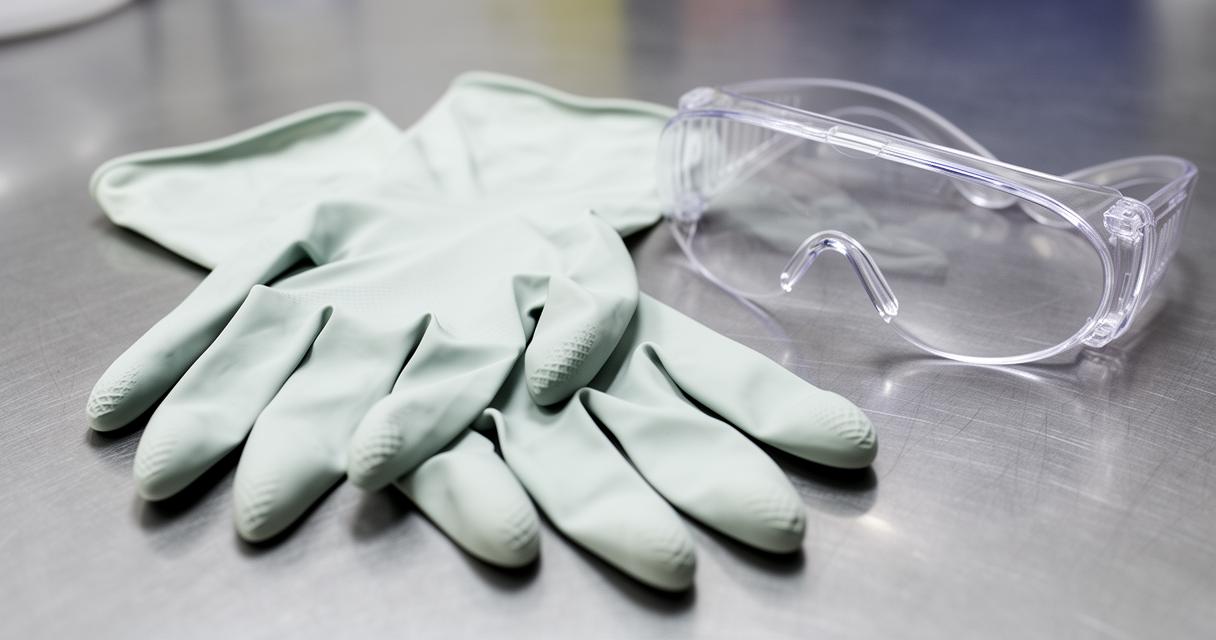
The assessment process begins with identifying all hazardous substances present in the workplace and analysing how employees may be exposed to them. Once the level of risk has been evaluated, suitable control measures must be identified and put in place. Personal protective equipment, including gloves, goggles and protective clothing, often forms part of the solution, though it should generally be considered a last resort rather than the primary means of protection. Where inhalation is a risk, respiratory protective equipment must be provided, and it is essential that this equipment fits each individual correctly, a process known as face fit testing. Employees cannot simply choose which control measures to follow or disregard; compliance with the measures set out by their employer is a legal requirement. Inadequate exposure control can have serious consequences, underscoring the importance of applying the identified control measures.
Keeping COSHH Records and Reviewing Assessments to Maintain Compliance
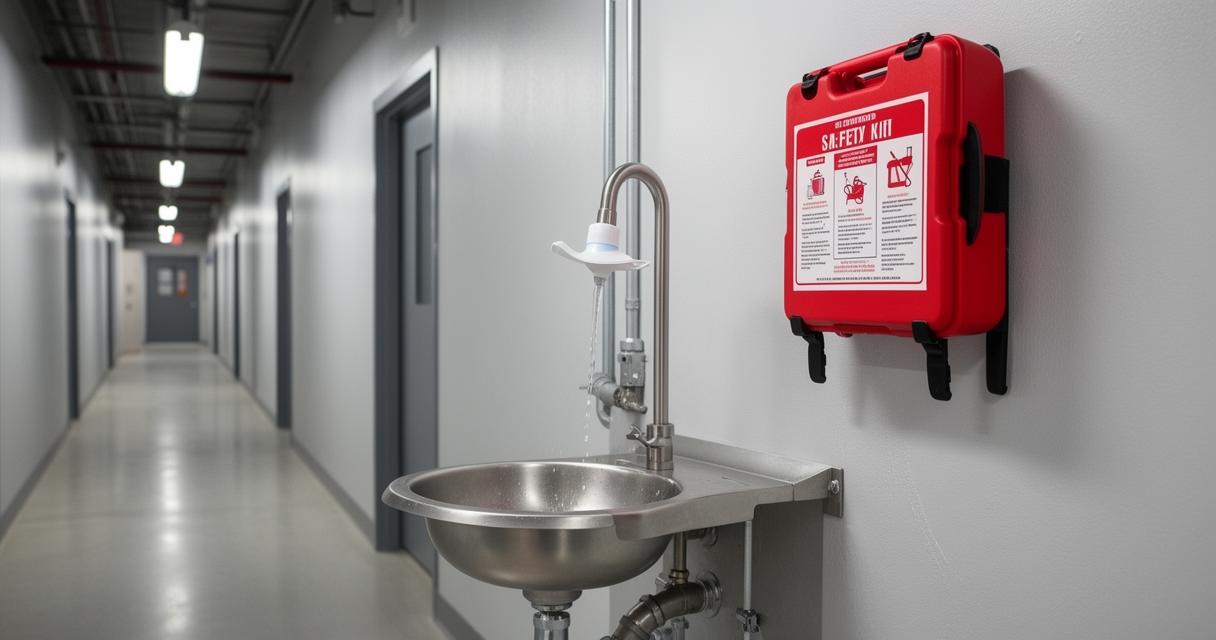
Documentation is a cornerstone of ongoing workplace safety. Once an assessment has been completed, its findings must be recorded clearly and kept accessible. Employee training is equally vital: staff should understand the risks associated with the substances they encounter, how to use personal protective equipment correctly, what the relevant hazard symbols mean and how to respond effectively in an emergency. Training equips employees not only to protect themselves but also to respond swiftly and appropriately should an incident occur, from assessing the situation and moving to safety, to following decontamination procedures and seeking medical assistance even when no immediate symptoms are present.
COSHH assessments should not be treated as a one-time task. Regular reviews are advised on an annual basis, or whenever there is a change in working processes, substances used or following any incident. This cycle of review and renewal is what transforms safe handling procedures from a theoretical exercise into a living part of occupational health practice, ensuring that businesses remain compliant and their employees remain protected as working conditions inevitably evolve over time.