
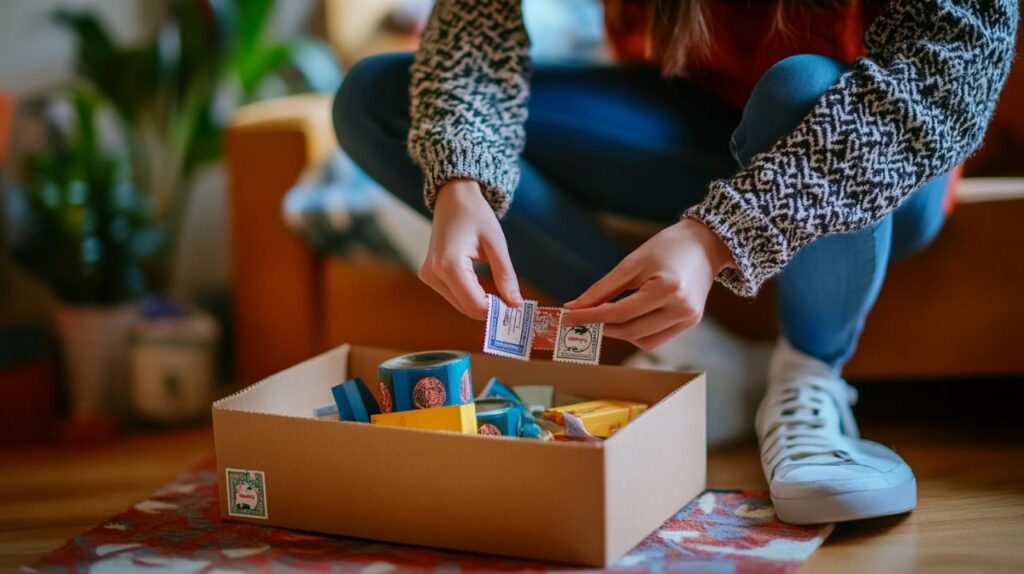
For generations, British households have grappled with the age-old question of whether everyday items can serve a dual purpose when it comes to sending packages. The humble shoe box, often relegated to the back of a wardrobe or destined for recycling, has frequently found itself at the centre of this resourceful debate. With cardboard readily available and costs always a consideration, many have wondered whether such containers can safely transport goods through the postal system. Understanding the practical limitations and possibilities of repurposing shoe boxes offers insight into a tradition of thrifty packaging that has long been part of the United Kingdom's domestic economy.
The Practicality of Repurposing Shoe Boxes for Parcels
The question of whether one can send a parcel in a shoe box is not merely theoretical but rooted in practical necessity. Shoe boxes offer a convenient solution for those looking to avoid purchasing specialised packaging materials. These containers are typically constructed from lightweight yet reasonably robust cardboard, making them suitable for certain types of shipments. However, their effectiveness depends heavily on the nature of the items being sent and the condition of the box itself. A shoe box that has been stored carefully and remains free from damage can serve admirably for lighter goods such as books, clothing, or small gifts. The key is to recognise that not all shoe boxes are created equal, and their suitability varies based on their structural integrity and the demands of the journey ahead.
Assessing the Suitability of Your Shoe Box for Shipping
Before committing to using a shoe box for parcel sending, a thorough inspection is essential. The cardboard should be firm and free from rips, tears, or water damage that could compromise its strength during transit. A box that has previously held a pair of sturdy brogues or walking boots is likely to be more durable than one designed for delicate ballet slippers. The corners and edges warrant particular attention, as these areas are most vulnerable to wear and stress. If the box shows signs of previous use or weakening, reinforcing it with additional layers of parcel tape can provide extra security. It is also worth considering the journey the parcel will undertake; a box that seems adequate for a short domestic trip may not withstand the rigours of international shipping or handling through multiple sorting centres.
Understanding Weight and Size Restrictions for Postal Services
Postal services across the United Kingdom impose specific weight and size restrictions that must be adhered to when sending packages. These guidelines exist to ensure efficient processing and to prevent damage to other parcels in transit. A shoe box, while convenient, must fall within the acceptable dimensions and weight limits set by the chosen courier or postal service. Exceeding these parameters can result in unexpected surcharges or even refusal of the parcel at the collection point. Measuring the box carefully and weighing it with its contents before heading to the Post Office or a ParcelShop can save considerable inconvenience. Services such as Evri offer detailed size and weight guides that help senders determine whether their chosen container meets the necessary criteria. For those sending parcels frequently, understanding these restrictions becomes second nature and allows for more efficient planning and budgeting.
Proper Preparation and Protection of Your Parcel Contents
Even the sturdiest shoe box requires proper preparation to ensure the safe arrival of its contents. The act of sending a parcel is not simply a matter of placing an item inside a box and affixing a label; it demands careful consideration of how the contents will be protected during handling and transport. Items can shift during transit, potentially causing damage to both the goods and the box itself. This is where the use of appropriate cushioning materials becomes indispensable. Bubble wrap remains a popular choice due to its effectiveness in absorbing shocks and vibrations. Alternatively, old newspapers, tissue paper, or even surplus fabric can serve as makeshift padding, reflecting a long-standing British tradition of making do with what is available. The goal is to create a secure environment within the box where items cannot move freely, thereby reducing the risk of breakage or deformation.
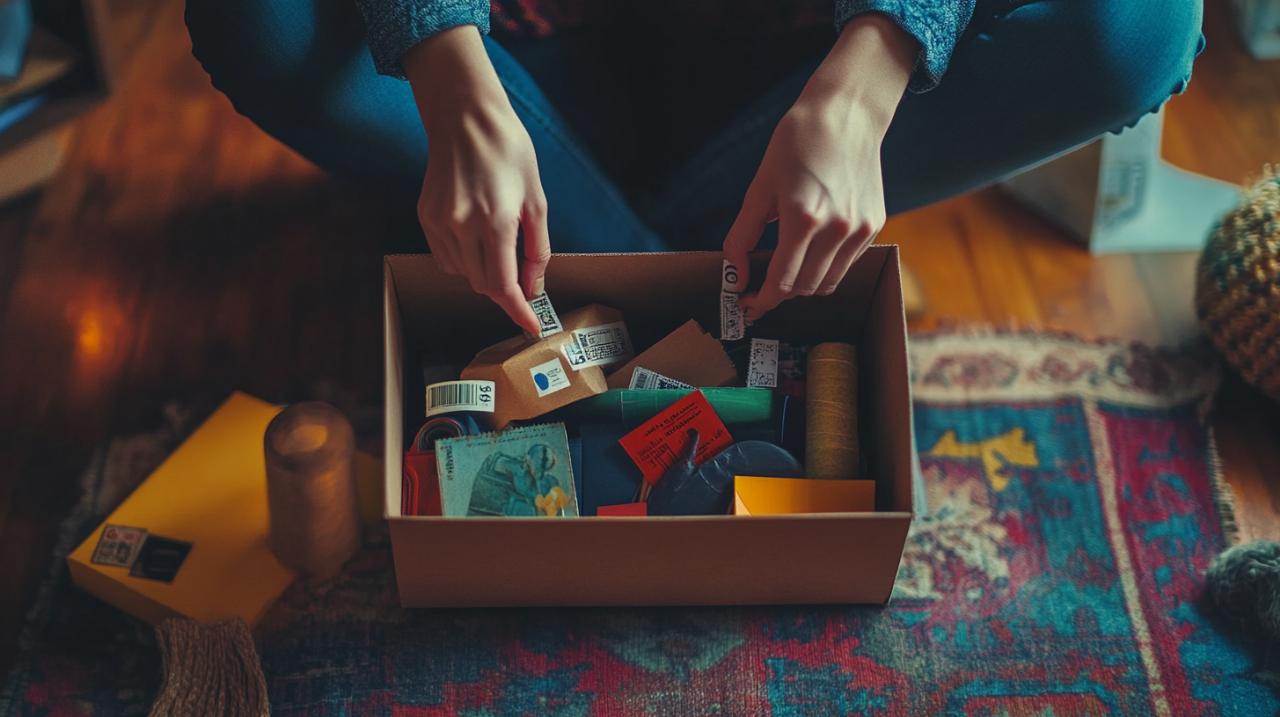
Securing items with appropriate cushioning materials
The selection of cushioning materials plays a crucial role in the success of any parcel shipment. Bubble wrap is particularly effective for fragile items, as its air-filled pockets provide excellent shock absorption. Wrapping each item individually before placing it in the shoe box adds an extra layer of protection and prevents items from knocking against one another. For those seeking more sustainable options, shredded paper or biodegradable packing peanuts offer environmentally friendly alternatives. Filling any empty spaces within the box is equally important, as it prevents items from shifting during transit. A gently shaken box should produce no sound of movement; if items can be heard rattling around, additional padding is required. This meticulous approach to packing is especially important when sending delicate goods such as ceramics, glassware, or electronic components, where even minor impacts can result in significant damage.
Sealing and labelling your shoe box package correctly
Once the contents are securely packed, attention must turn to sealing and labelling the parcel. Strong parcel tape is essential; flimsy adhesive materials are simply not up to the task of holding a box together during the rigours of postal handling. The lid and all seams should be reinforced with tape, ensuring there are no gaps or weak points that could open during transit. Some senders prefer to double-wrap the shoe box in brown paper or inside-out wrapping paper, a practice that adds an extra layer of protection and can help disguise the contents. Writing the recipient's address directly on the box, in addition to affixing a printed label, provides a safeguard against the possibility of the label becoming detached. Clear, bold handwriting or a professional label printed on recycled paper ensures that the parcel reaches its intended destination without confusion. Proof of posting, available at most Post Office locations, offers peace of mind by providing a record of the shipment should any issues arise.
Environmental considerations and modern thrifty packaging practices
In recent years, environmental consciousness has become an increasingly important factor in decisions about parcel packaging. The practice of reusing shoe boxes aligns well with broader efforts to reduce waste and minimise the environmental impact of consumer activities. Cardboard is biodegradable and widely recyclable, making it a far more sustainable choice than plastic envelopes and film, which can persist in the environment for decades. By opting to repurpose a shoe box rather than purchasing new packaging materials, individuals contribute to a reduction in demand for virgin resources and help divert waste from landfills. This approach resonates with a long-standing British ethos of thriftiness and practicality, where the value of reusing and repurposing is deeply ingrained in the cultural fabric.
Reducing waste through reusing cardboard cartons
The environmental benefits of reusing cardboard cartons extend beyond the immediate reduction in waste. Manufacturing new packaging materials requires energy, water, and raw materials, all of which have associated environmental costs. By choosing to repurpose existing boxes, individuals help to lower the carbon footprint associated with their postal activities. This practice is particularly relevant in the context of online selling, where the volume of parcels being sent has increased dramatically in recent years. Platforms such as Vinted have popularised the resale of clothing and accessories, and sellers on these platforms often rely on repurposed packaging to keep their costs down while maintaining a commitment to sustainability. The use of shoe boxes in this context is not limited to footwear; these versatile containers can accommodate a wide range of items, from clothing and accessories to small household goods and collectibles.
Alternative Uses for Shoe Boxes in the Age of Online Selling
The rise of online marketplaces has breathed new life into the humble shoe box, transforming it from a simple storage container into a practical tool for commerce. Sellers on platforms such as eBay, Depop, and Vinted frequently repurpose shoe boxes to send their goods, appreciating both the cost savings and the environmental benefits this practice offers. Beyond their use for footwear, these boxes are suitable for a variety of items, including cards, silks, small models, and even delicate jewellery when properly cushioned. The key to success lies in ensuring that the box is appropriately sized for the item being sent and that adequate padding is used to prevent damage. Some sellers have become adept at sourcing boxes from local shops or recycling centres, building a supply of packaging materials that allows them to operate their businesses sustainably. This resourcefulness reflects a modern interpretation of traditional British values, where ingenuity and practicality are celebrated and where the principles of reduce, reuse, and recycle are applied in everyday life.