
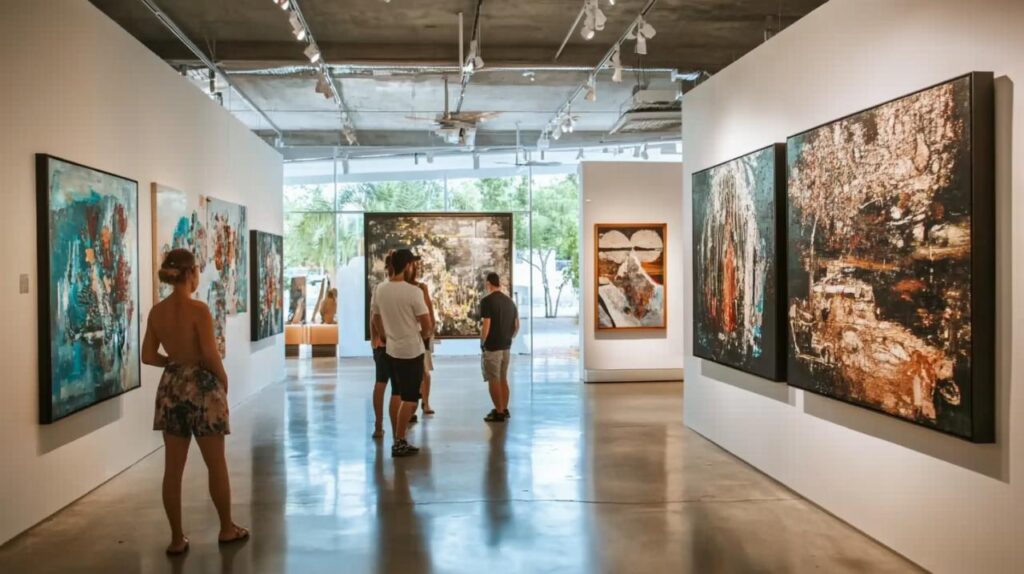
Art has the power to transport us to different worlds, evoke deep emotions, and challenge our perspectives. Whether you are a seasoned collector or a curious newcomer, exploring galleries offers a unique opportunity to connect with creativity in its many forms. From world-renowned institutions housing masterpieces that have shaped history to intimate spaces showcasing emerging talent, the journey through these cultural havens is as enriching as it is inspiring. This guide aims to illuminate the pathways to discovering beautiful art galleries, offering insights into how to navigate them, appreciate their offerings, and cultivate a deeper understanding of the visual arts.
Navigating london's premier gallery spaces
London stands as one of the world's most vibrant cultural capitals, boasting an array of galleries that cater to every taste and interest. The city's art scene is a tapestry woven from centuries of tradition and contemporary innovation, making it an ideal starting point for anyone eager to immerse themselves in visual culture. Among the most celebrated institutions is the Tate Modern, a powerhouse of modern and contemporary art that draws millions of visitors annually. Here, you can encounter works such as Salvador Dalí's Metamorphosis of Narcissus, a surrealist masterpiece that invites contemplation and wonder. The gallery's expansive halls and industrial architecture create a striking backdrop for the bold and thought-provoking pieces on display.
Equally essential to any art lover's itinerary is The National Gallery, a treasure trove of European paintings spanning the medieval period to the early twentieth century. Its collection includes Hans Holbein the Younger's The Ambassadors, a work renowned for its intricate detail and hidden symbolism. Walking through the gallery's grand rooms, one can trace the evolution of artistic techniques and themes, from the luminous landscapes of the Renaissance to the dramatic chiaroscuro of the Baroque era. These institutions not only preserve the legacy of the past but also serve as living spaces where art continues to inspire and educate.
Hidden gems beyond the mainstream museums
While the major museums command much of the attention, London is also home to a wealth of lesser-known galleries that offer equally compelling experiences. These hidden gems often provide a more intimate setting, allowing visitors to engage with art in a quieter, more personal manner. Smaller spaces frequently showcase emerging artists and experimental works, offering a glimpse into the future of the art world. Exploring these venues can lead to unexpected discoveries, from innovative installations to thought-provoking photography that challenges conventional narratives.
Beyond the capital, regions such as Cornwall have cultivated their own distinctive art scenes. The John Dyer Gallery, for instance, has become a cornerstone for those seeking original paintings and museum-quality prints that capture the essence of the Cornish landscape. Artists like John Dyer, Joanne Short, and Ted Dyer have built reputations for their evocative portrayals of coastal beauty and natural splendour. Their work exemplifies how regional galleries can celebrate local culture while reaching audiences far beyond their immediate geography, thanks to online platforms and global delivery services.
Understanding gallery etiquette and visiting hours
Making the most of a gallery visit requires not only enthusiasm but also an awareness of the unwritten rules that govern these spaces. Most galleries encourage quiet contemplation, so speaking in hushed tones and avoiding disruptive behaviour helps maintain an atmosphere conducive to reflection. Photography policies vary from one institution to another; some welcome it as a way to share art with wider audiences, while others prohibit it to protect delicate works or respect copyright. Checking these details in advance ensures a smooth and respectful visit.
Timing can also significantly enhance your experience. Visiting during off-peak hours, such as weekday mornings, often means fewer crowds and a more relaxed environment in which to absorb the art. Many galleries offer extended hours on certain evenings, providing an opportunity to explore exhibitions in a different light, both literally and figuratively. Some institutions host special events, including guided tours and artist talks, which can deepen your understanding and appreciation of the works on display. Planning ahead and staying informed about these opportunities can transform a casual outing into a truly memorable encounter with art.
Making the Most of Your Gallery Experience
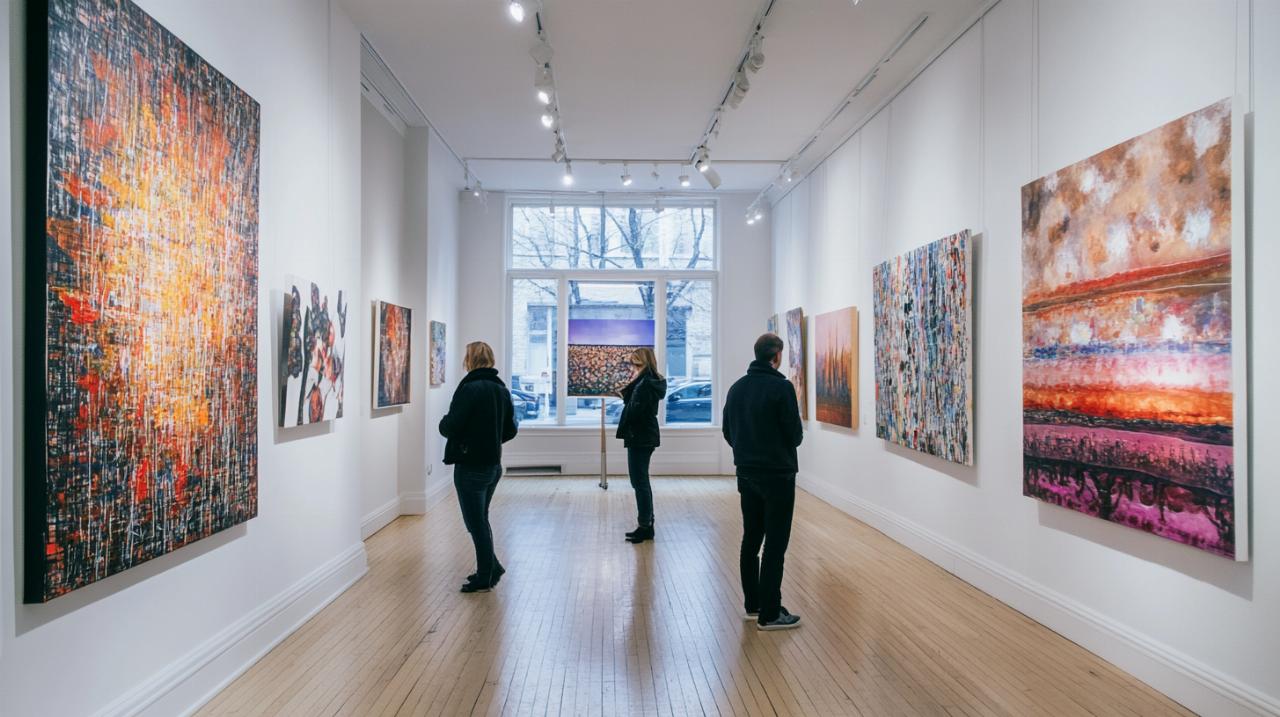
Once inside a gallery, the key to a fulfilling visit lies in balancing spontaneity with intention. Rather than rushing through the entire collection, consider selecting a few pieces or rooms to explore in depth. This approach allows you to engage more meaningfully with the art, noticing details that might otherwise be overlooked. Standing before a painting for several minutes, observing the brushwork, colour palette, and composition, can reveal layers of meaning and technique that transform your understanding of the piece.
Many galleries provide educational resources, such as audio guides, wall texts, and digital apps, which offer context and commentary on the works. These tools can be invaluable, especially when encountering unfamiliar artists or movements. However, it is equally important to trust your own responses and interpretations. Art is inherently subjective, and your personal connection to a piece is just as valid as any expert analysis. Allowing yourself to be moved, puzzled, or even challenged by what you see is part of the joy of visiting beautiful art galleries.
Engaging with Contemporary and Classical Exhibitions
Contemporary art often provokes strong reactions, whether through its bold aesthetics, political commentary, or experimental forms. Engaging with such works requires an open mind and a willingness to question assumptions. Galleries dedicated to contemporary practice, like the Tate Modern, frequently host exhibitions that push boundaries and invite dialogue. These shows might feature installations that transform entire rooms, video art that blurs the line between cinema and sculpture, or performance pieces that unfold in real time. Embracing the unpredictability of contemporary art can be exhilarating, offering fresh perspectives on the world around us.
Classical exhibitions, on the other hand, provide a window into the artistic achievements of bygone eras. Viewing works such as Claude Monet's The Water Lily Pond at The Metropolitan Museum of Art or Vincent van Gogh's The Starry Night at The Museum of Modern Art in New York connects us to the creative genius of artists whose influence endures to this day. These masterpieces have been studied and admired for generations, yet each encounter with them can feel new and profound. The interplay of light, colour, and form in these paintings speaks to universal themes of beauty, struggle, and transcendence.
Building your personal art appreciation journey
Developing a deeper appreciation for art is a lifelong journey that unfolds through repeated exposure and active curiosity. Visiting galleries regularly, whether in London, across Europe, or further afield, helps to refine your eye and broaden your understanding of different styles and periods. Over time, you may find yourself drawn to particular artists, movements, or themes, which can guide your explorations and inspire you to seek out related works in other collections. Building a personal relationship with art is not about memorising facts or mastering jargon but about cultivating a genuine connection to the creativity and vision of others.
For those who wish to bring art into their daily lives, options such as limited edition prints and open edition prints offer an accessible way to own museum-quality reproductions that can last for decades or even centuries. Galleries like the John Dyer Gallery provide a range of products, from framed and unframed prints to homeware and books, allowing enthusiasts to surround themselves with images that inspire and uplift. Joining an art collectors club or taking advantage of advisory services can also enhance your journey, offering expert guidance and opportunities to discover new artists and works.
Ultimately, the pursuit of art is deeply personal and endlessly rewarding. Whether you are standing before a famous masterpiece in the Louvre, exploring a regional gallery in Cornwall, or attending a special exhibition at the Eden Project, each experience contributes to a richer understanding of human creativity and expression. By approaching galleries with curiosity, respect, and an open heart, you unlock the transformative power of art and create memories that will resonate long after you have left the gallery walls behind.