
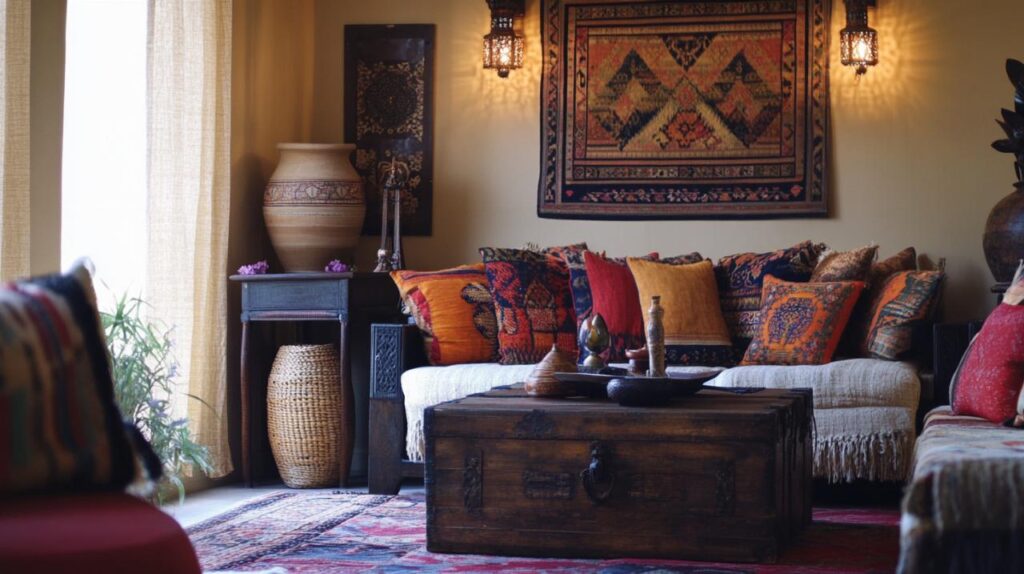
When we step into a home thoughtfully designed with an eye towards its surrounding culture, we often find ourselves not merely observing furniture and colour schemes, but experiencing the very essence of a place. The walls, fabrics, and ornaments quietly narrate stories of artisans, ancestral customs, and regional landscapes. This approach to interior design transcends mere decoration and becomes a celebration of identity, where every object chosen serves as a bridge between past and present. Understanding how local traditions weave into our living spaces allows us to create environments that are both deeply personal and richly evocative.
How regional craftsmanship shapes interior design identity
Craftsmanship rooted in local knowledge and time-honoured techniques has always been central to creating interiors that resonate with authenticity. When artisans employ methods handed down through generations, they infuse each piece with a sense of place that mass-produced items simply cannot replicate. In many regions, furniture makers and joiners devote years to perfecting traditional woodworking skills, ensuring that every table, chair, or cabinet carries the hallmark of their community's unique aesthetic sensibility. This dedication to craft is not purely nostalgic; it reflects a profound understanding of materials, climate, and the daily rhythms of life that shape how people inhabit their homes.
Traditional artisan techniques in modern british homes
Across the United Kingdom, a renewed appreciation for traditional craftsmanship is evident in contemporary homes that balance heritage with modern living. Homeowners increasingly seek out bespoke joinery and furniture that showcase skills such as dovetailing, marquetry, and hand-carved mouldings. These techniques, once ubiquitous in country estates and urban townhouses, are finding fresh relevance as people look to explore local traditions within their own four walls. The resurgence of interest in such craftsmanship reflects a broader cultural shift towards valuing quality, longevity, and the narrative that handmade objects bring to interior spaces.
Moreover, the integration of traditional methods does not mean rejecting contemporary design principles. Many designers now blend classic joinery with clean lines and understated palettes, creating interiors that honour the past while embracing the functional needs of today. This fusion is particularly visible in kitchens and living rooms, where bespoke cabinetry crafted using age-old techniques sits comfortably alongside modern appliances and minimalist furnishings. The result is a harmonious environment that feels both grounded in tradition and entirely suited to contemporary lifestyles.
Sourcing authentic local materials for your living spaces
Choosing materials native to a region is another powerful way to connect interior design with local culture. Whether it is reclaimed timber from nearby woodlands, stone quarried from local hills, or wool woven in regional mills, these materials carry the imprint of their landscape and the people who work with them. By opting for such resources, homeowners not only support local economies but also ensure that their interiors reflect the geographical and climatic conditions of their area. This practice has deep roots in vernacular architecture, where builders traditionally used whatever was readily available, resulting in homes that naturally harmonised with their surroundings.
In recent years, the emphasis on sustainability has further highlighted the benefits of sourcing local materials. Products like those from Edward Bulmer Paint and Farrow & Ball, which prioritise eco-friendly formulations and traditional pigments, allow old houses to breathe while offering sophisticated colour palettes rooted in historical traditions. These paints are not merely decorative choices; they represent a commitment to maintaining the integrity of heritage buildings and to honouring the craftsmanship that originally shaped them. Similarly, selecting textiles woven locally or ceramics made by nearby artisans adds layers of meaning to a home, transforming it into a living testament to the region's cultural and natural heritage.
Celebrating cultural heritage through decorative elements
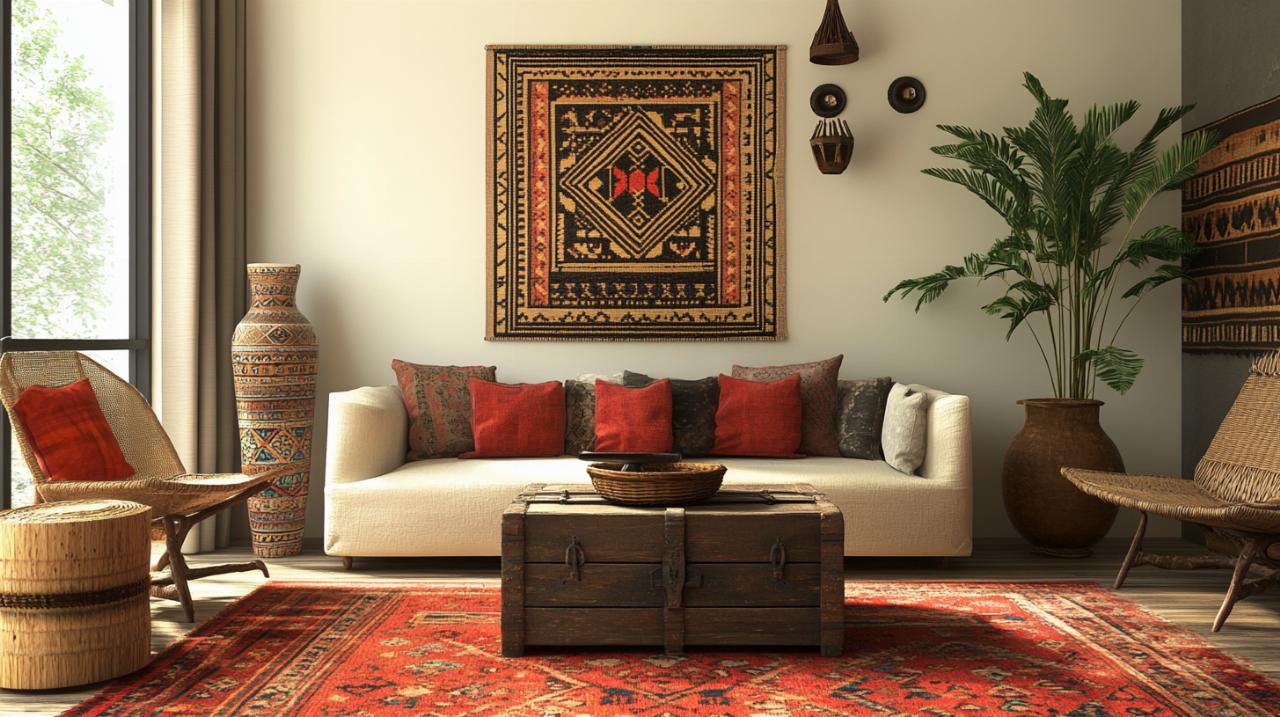
Beyond the structural and material aspects of design, decorative elements offer another avenue to celebrate and preserve cultural heritage. Items such as folk art, patterned textiles, and symbolic motifs can transform a room from a mere functional space into a gallery of stories and traditions. These elements invite conversation and reflection, encouraging inhabitants and visitors alike to consider the deeper meanings embedded in everyday objects. When thoughtfully curated, decorative pieces become more than ornaments; they serve as reminders of shared histories and communal values.
Incorporating Folk Patterns and Motifs into Contemporary Interiors
Folk art, with its vibrant colours and symbolic imagery, is experiencing a notable revival as more people seek to reconnect with cultural roots. In Eastern Europe, for instance, folk motifs have long adorned ceramics, textiles, and household items, serving as both decoration and a form of communication. These designs are far from random; they often tell stories or carry symbolic meanings that speak to ideas of protection, prosperity, and connection to nature. Animals and plants featured in folk art frequently possess multiple layers of significance. Birds might symbolise freedom and spirituality, while horses can represent strength and courage, weaving a rich tapestry of meaning into the fabric of daily life.
Artists and homeowners today are finding inventive ways to integrate these folkloric motifs into contemporary settings. Karina Czudnochowski, for example, paints her home and garden huts in Sussex with folkloric patterns, creating spaces that honour tradition while remaining fresh and lively. Similarly, John Abell, a Welsh artist, uses folkloric motifs to celebrate the heritage of Wales, demonstrating how these designs can be adapted to modern contexts without losing their cultural resonance. By incorporating such patterns into cushions, wall hangings, or even painted furniture, individuals can infuse their homes with a sense of history and place, turning interiors into canvases that reflect both personal and collective identity.
Preserving regional stories through carefully curated furnishings
Curating a home with an eye towards regional stories means selecting furnishings that embody the spirit and values of a particular place. This might involve choosing antique pieces that have witnessed generations of family gatherings, or commissioning bespoke items from local craftsmen who understand the nuances of traditional design. The English Country House style, for instance, is characterised by antique furnishings, layered textiles, and an abundance of natural elements like flowers and cushions. This approach creates interiors that feel lived-in and welcoming, spaces where every object has a story and contributes to a larger narrative about comfort, heritage, and continuity.
However, preserving tradition does not mean living in a museum. Modern functionality and comfort remain paramount, and the best interiors are those that successfully marry the old with the new. This might mean reimagining the use of a traditional fireplace as a focal point in a room, even if it no longer serves as a primary heat source, or updating floor plans to better suit contemporary lifestyles while retaining period features like mouldings and cornices. The key is to respect the architectural character of a home while ensuring it meets the practical demands of daily life. Customisation plays a vital role here, allowing homeowners to adapt traditional forms to their specific needs, whether through tailored joinery, bespoke upholstery, or carefully chosen finishes that echo historical palettes.
Ultimately, discovering local traditions through home decor is about creating spaces that resonate on a deeper level. It is about recognising that our homes are not just shelters, but repositories of culture, memory, and identity. By valuing craftsmanship, sourcing authentic materials, and thoughtfully incorporating decorative elements rich in meaning, we transform our living spaces into environments that honour the past, celebrate the present, and inspire the future. In doing so, we not only enrich our own lives but also contribute to the preservation and appreciation of the diverse cultural tapestries that make our world so endlessly fascinating.