

Modern residential properties present unique challenges when it comes to maintaining safe electrical environments. As households increasingly rely on sophisticated electrical systems and an ever-growing number of appliances, understanding the foundations of electrical safety becomes paramount. From recognising early warning signs of potential hazards to implementing robust protective measures, homeowners and renters alike must equip themselves with essential knowledge to safeguard their properties and loved ones. This comprehensive exploration delves into the critical aspects of electrical safety, offering practical insights and actionable guidance for achieving secure home installations.
Understanding critical electrical hazards in residential properties
Common electrical risks and their consequences
Electrical hazards within domestic settings manifest in various forms, each carrying potentially severe consequences for occupants and property integrity. Among the most prevalent dangers are electric shocks, which occur when current passes through the human body, potentially causing injury or fatal outcomes. Faulty appliances represent a significant risk factor, particularly when they exhibit signs such as overheating components, visible sparks during operation, unusual glowing effects, or deteriorated wiring insulation. These indicators often precede more serious incidents including electrical fires that can devastate homes within moments.
The risks extend beyond immediate physical harm to encompass property damage and financial implications. When electrical systems malfunction, they may trigger fires that spread rapidly through residential structures, destroying possessions and requiring extensive repairs. Furthermore, inadequate electrical installations compromise the functionality of consumer units and circuit protection devices, leaving homes vulnerable to power surges and sustained electrical faults. Organisations dedicated to electrical safety consistently emphasise the importance of regular professional assessments to identify these hidden dangers before they escalate into emergencies requiring immediate intervention.
Identifying warning signs of faulty wiring systems
Recognising the early indicators of electrical system deterioration enables homeowners to address problems proactively rather than responding to catastrophic failures. Several unmistakable warning signs demand immediate attention from qualified professionals. Sparks emanating from sockets or switches signal dangerous arcing within the electrical infrastructure, whilst burning smells suggest overheating components that could ignite surrounding materials. Overheating sockets represent another critical alert, indicating excessive current flow or poor connections that compromise safety.
Additional symptoms include flickering lights that may indicate loose connections or circuit overload, buzzing sounds from electrical panels suggesting component vibration or loose terminals, and frequent circuit breaker trips that signal persistent overcurrent conditions or short circuits. Discoloured socket faceplates often reveal internal heat damage, whilst appliances that deliver mild tingles when touched indicate dangerous earth faults. Regular visual inspections combined with heightened awareness of these warning signs form the foundation of proactive home management strategies. When any of these symptoms appear, contacting emergency services on 999 for immediate safety risks or utilising customer support numbers such as 0345 141 4663 ensures prompt professional evaluation and remediation.
Essential Safety Measures and Protection Devices for Modern Homes
Rcd units and circuit breaker technologies
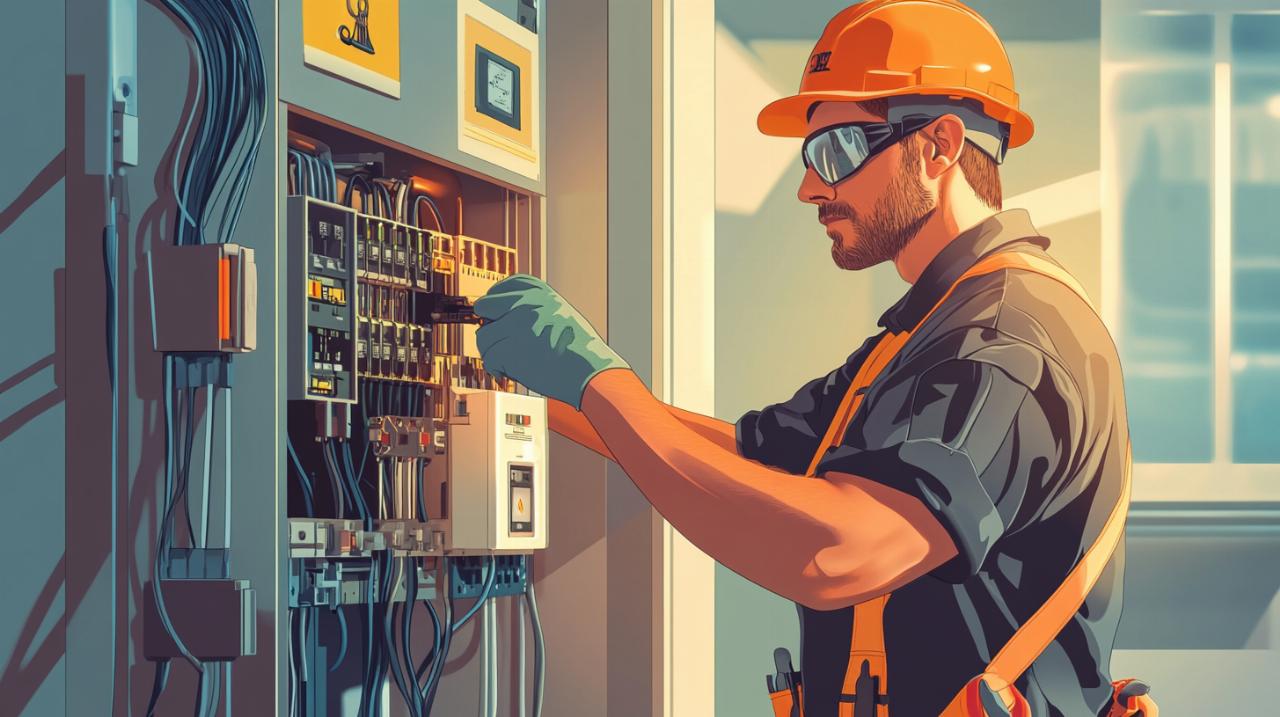
Residual Current Devices stand as one of the most crucial innovations in domestic electrical safety, offering life-saving protection against electric shocks and fire hazards. These sophisticated devices continuously monitor electrical current flowing through circuits, instantly detecting imbalances that indicate dangerous earth faults. When such discrepancies occur, RCD installation systems disconnect the power supply within milliseconds, preventing potentially fatal shocks and reducing fire risk substantially. Modern homes should incorporate RCD protection across all socket circuits and those serving high-risk areas including bathrooms, kitchens, and outdoor installations.
Circuit breakers complement RCD technology by providing overcurrent protection, automatically interrupting electrical supply when circuits carry excessive current loads. Together, these protective devices create a comprehensive safety network that addresses multiple hazard scenarios. The ergom website and similar professional resources offer guidance on selecting appropriate protection devices matched to specific installation requirements. Energy efficiency considerations also influence protection device selection, as modern LED lights and energy-saving appliances operate differently from traditional electrical loads, necessitating compatible protective equipment that maintains both safety standards and optimal performance.
Professional installation standards and compliance requirements
Achieving secure home installations demands strict adherence to established professional standards and regulatory compliance frameworks. Qualified electricians possess the technical expertise and certification necessary to execute installations that meet current safety regulations whilst incorporating best practice methodologies. Finding an electrician with appropriate credentials ensures work quality and provides recourse through professional oversight bodies should issues arise. Bristol electrician services and similar regional specialists maintain up-to-date knowledge of local requirements and emerging safety protocols.
Mandatory checks form an integral component of electrical safety regimes, with residential properties requiring comprehensive electrical safety checks conducted at five-year intervals. New tenants should receive detailed electrical reports before occupying properties, whilst existing residents benefit from periodic inspections that identify deterioration or non-compliance issues. When inspections reveal necessary repairs, completion within 28 days ensures prompt hazard mitigation. These systematic approaches extend beyond initial installations to encompass ongoing maintenance schedules, appliance registration programmes that facilitate product recalls, and educational initiatives promoting battery safety particularly regarding lithium batteries and e-bikes safety considerations. Homeowners and renters both benefit from understanding their responsibilities regarding electrical appliance management, with clear instructions provided as part of comprehensive tenancy agreements and home management frameworks.
Professional installation extends to specialised systems including microgeneration installations, bathroom wet rooms requiring enhanced electrical protection, and boiler installation projects integrating electrical and heating components. Central heating systems, boiler servicing schedules, and plumbing services all intersect with electrical safety considerations, necessitating coordinated approaches from qualified tradespeople. Digital transformation within the electrical sector continues advancing safety standards through improved diagnostic capabilities, enhanced consumer units featuring smart monitoring functions, and workplace electrical safety innovations that translate into residential applications. By embracing these professional resources and maintaining vigilant oversight of domestic electrical systems, homeowners create secure environments that protect against electrical hazards whilst supporting modern lifestyle requirements and energy efficiency objectives.