
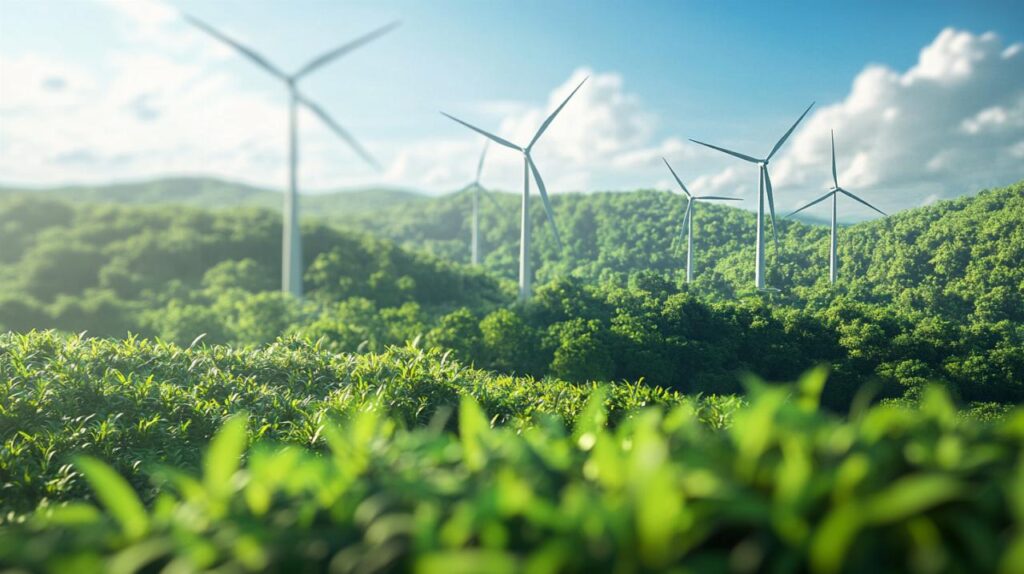
The transition towards renewable energy sources has become a defining challenge of our era, with wind power emerging as a cornerstone of the global push for cleaner electricity generation. As nations strive to reduce their carbon footprints and secure energy independence, the development of advanced wind energy structures represents not just an environmental imperative, but an economic opportunity. From towering offshore installations harnessing powerful coastal gusts to innovative turbine designs utilizing cutting-edge materials, the wind energy sector is undergoing a remarkable transformation. This evolution is supported by substantial investment, technological breakthroughs, and a growing recognition that sustainable power systems are essential for future prosperity. The journey towards a greener future is being shaped by engineers, policymakers, and communities committed to harnessing the natural forces around us in ever more efficient and environmentally responsible ways.
The Evolution and Environmental Benefits of Modern Wind Energy Systems
Wind turbines have fundamentally reshaped how societies generate electricity, converting the kinetic energy of moving air into clean, renewable power. These towering structures, which have become iconic symbols of the green technology movement, play an essential role in the global effort to combat climate change. The environmental advantages of wind energy are substantial and measurable. Each year, wind turbines help prevent approximately 346 million metric tons of carbon dioxide emissions, a figure comparable to removing 76 million cars from the roads. This remarkable impact underscores the critical importance of expanding wind energy infrastructure as part of broader climate action strategies. The sector has also demonstrated impressive growth, with the global wind industry achieving 117 gigawatts of new installations in 2023 alone, representing a fifty percent increase from the previous year. Such expansion reflects both technological maturity and growing political commitment to renewable energy systems.
Harnessing natural resources: how wind turbines transform renewable power into clean electricity
At their core, wind turbines operate through elegantly simple mechanical principles. When wind flows over the blades, it creates aerodynamic forces that cause the rotor to spin. This rotational energy is then converted through a gearbox and generator into electrical current that can be fed into the power grid. The efficiency of this process has improved dramatically over recent decades, with modern turbines capable of capturing energy even from relatively gentle breezes. Offshore wind development has gained particular traction due to the stronger and more consistent winds available at sea, offering higher energy yields compared to onshore installations. The lifecycle carbon footprint of wind energy stands at just eleven grams of carbon dioxide per kilowatt-hour, a fraction of the emissions associated with coal or natural gas generation. Furthermore, wind farms can offset their entire carbon emissions within approximately two years of operation, after which they provide decades of virtually carbon-neutral electricity. This rapid environmental payback period makes wind energy one of the most effective tools available for decarbonizing power systems.
Reducing carbon footprints: the positive environmental impact of wind farm infrastructure
Beyond the direct emissions reductions, wind energy contributes to environmental sustainability through multiple pathways. The transition to renewable power sources reduces reliance on fossil fuel extraction, which often causes significant habitat disruption and pollution. As countries invest in wind infrastructure for energy independence and security, they simultaneously decrease the geopolitical tensions associated with oil and gas resources. The wind energy sector has attracted over 148 billion pounds in investments over the past decade, with 10 billion pounds allocated to new projects in 2023 alone. This capital influx has created employment opportunities across manufacturing, installation, maintenance, and research sectors, contributing substantially to local economies. However, the development of wind farms does present certain challenges that require careful management. The substantial land requirements for onshore installations and potential impacts on local wildlife, particularly bird populations, necessitate thorough environmental assessments and strategic site selection. High initial installation costs also remain a barrier, with small turbines for residential use ranging between 3,000 and 35,000 pounds depending on capacity and location. Despite these challenges, the long-term operating costs of wind turbines remain remarkably low once the initial investment has been made, ensuring economic viability alongside environmental benefits.
Innovations in green technology driving wind energy development
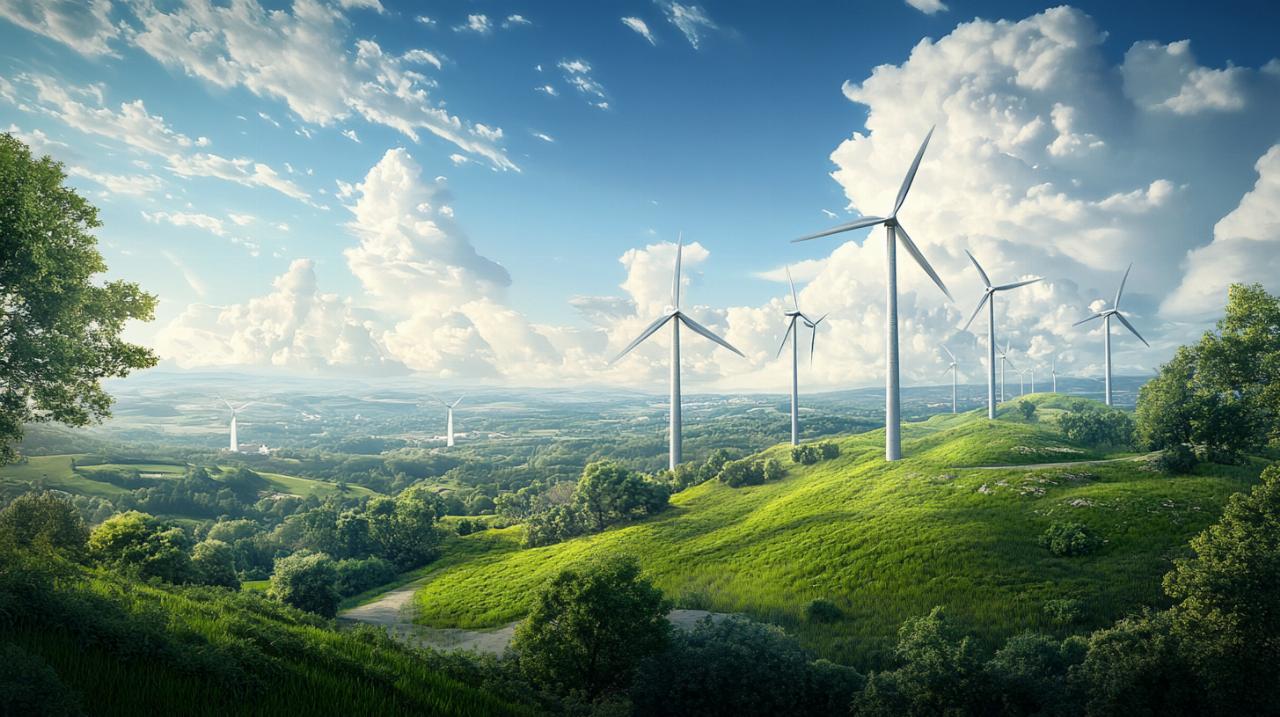
The wind energy sector continues to evolve rapidly, driven by innovations that enhance efficiency, reduce costs, and improve integration with broader energy systems. Advanced technologies such as artificial intelligence and real-time data analytics are being deployed to optimize wind farm performance. Predictive maintenance systems can now foresee potential equipment failures before they occur, minimizing downtime and maximizing electricity generation. Drone inspections have become increasingly common, improving both the safety of maintenance operations and the speed at which potential issues can be identified and addressed. These technological advancements are critical for ensuring that wind energy remains competitive with other power sources and can deliver reliable electricity to consumers. The integration of wind power with complementary renewable systems, such as solar panels and energy storage solutions including battery systems, is creating more resilient and flexible energy networks. This convergence of technologies allows for better management of the intermittent nature of wind and solar generation, ensuring stable power supply even when natural conditions fluctuate.
Cutting-Edge Turbine Design and Materials for Enhanced Energy Efficiency
Recent research initiatives are pushing the boundaries of what wind turbine structures can achieve. A particularly promising project focuses on sustainable wind turbine tower design using steel produced in the United Kingdom. This consortium, which includes major industry players such as Tata Steel UK, RWE, Bute Energy, Hutchinson Engineering, and Ledwood, has received 174,000 pounds from the Welsh Government through SMART Flexible Innovation Support. The initiative addresses a significant challenge in the current market, where wind turbine towers in the UK largely depend on imported thick steel plates. The innovative approach instead utilizes thin strip, coil-based, low-emission steel produced by electric arc furnaces. This manufacturing method not only reduces costs but also enhances the technical performance of the towers themselves. By drawing on advanced techniques from marine and aerospace sectors, engineers are creating structures that are both strong and lightweight, optimizing the balance between durability and material efficiency. The design philosophy emphasizes recyclability, promoting a circular economy approach within the steel industry. As Dr Cristina Garcia-Duffy highlighted, this project offers substantial economic and environmental benefits for Wales and the broader UK, demonstrating how regional manufacturing capabilities can support the expansion of renewable energy infrastructure.
Future developments: next-generation wind structures and smart grid integration
Looking ahead, the wind energy landscape is set to be transformed by several emerging trends and technologies. Community wind projects are gaining popularity, allowing local groups to invest in and benefit directly from renewable energy installations. These initiatives foster greater public engagement with sustainable power generation and can provide financial returns to participants while supporting regional energy security. Home wind turbine kits, which typically cost between 3,000 and 8,000 pounds, offer individual homeowners the opportunity to reduce their utility bills and increase property values through renewable systems. As battery storage technology continues to improve and costs decline, the integration of energy storage with wind farms will become increasingly common, addressing one of the primary challenges of renewable generation: intermittency. The deployment of perovskite solar technology alongside wind installations creates hybrid renewable systems that can generate power across different weather conditions and times of day. Policy developments will also shape the sector's trajectory. The announcement that the renewables windfall tax will increase to fifty-five percent in July 2026 reflects ongoing debates about how best to balance revenue generation with investment incentives. Meanwhile, reductions in grid fees for energy storage in jurisdictions such as Ireland signal growing recognition of the value that storage systems bring to network stability. Industry consolidation and business challenges, as evidenced by home battery firm GivEnergy appointing administrators, remind stakeholders that the renewable energy sector must navigate complex market dynamics while pursuing technological innovation. Strategic initiatives such as LONGi's introduction of a solar-plus-storage strategy demonstrate how leading companies are positioning themselves for an integrated energy future. Oxford PV's contribution of perovskite solar expertise to UK electric vehicle-integrated projects illustrates the potential for cross-sector collaboration that multiplies the benefits of green technology. The work being undertaken at platforms such as carnivalestudio.es and others provides valuable insights into how structural innovation in wind energy intersects with broader lifestyle, technology, and sustainability trends. As Tata Steel UK transitions to electric arc furnace steelmaking, the entire supply chain for wind energy infrastructure becomes more sustainable, creating a virtuous cycle of environmental improvement. Rebecca Evans MS has advocated for projects that create high-value jobs and strengthen local supply chains, emphasizing that the renewable energy transition offers social and economic benefits beyond environmental gains. The convergence of these technological, economic, and policy trends suggests that wind energy will continue to play an ever-larger role in global electricity generation, contributing to energy security, economic development, and the urgent task of mitigating climate change.