
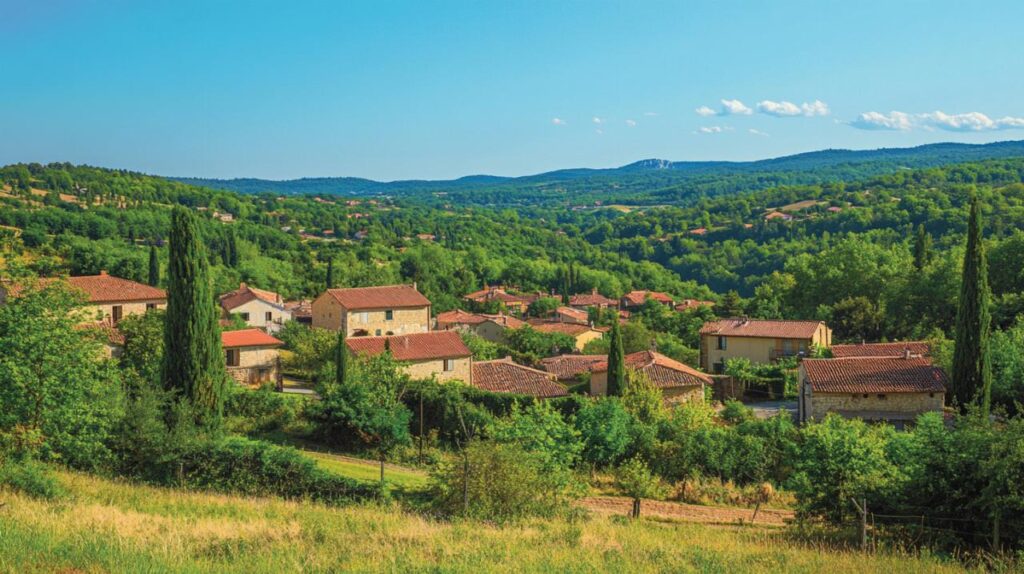
The rolling hills of Randan stand as a testament to centuries of human endeavour and natural beauty, where medieval fortresses blend seamlessly with the rhythms of modern democratic life in the heart of Limagne. This corner of Puy-de-Dôme holds a unique position in the cultural and geographical tapestry of France, offering visitors and residents alike a glimpse into a past shaped by nobility and a present animated by civic engagement. The commune itself, along with its neighbouring villages, has long been a crossroads of history and innovation, where the legacy of the château mingles with contemporary efforts to build cohesive, vibrant communities.
The Historical Tapestry of Randan and Its Communes
Medieval Legacy: The Château de Randan and Its Domain Through the Centuries
The Château de Randan, perched majestically above the surrounding countryside, has been the centrepiece of this region's heritage for centuries. Originally constructed in the medieval period, the castle served as a strategic stronghold and a symbol of feudal power in Limagne. Over the years, successive owners transformed the domain into a residence of elegance and refinement, reflecting the evolving tastes of French aristocracy. The forest surrounding the château became an integral part of the estate, providing timber, game, and a natural boundary that enhanced the property's grandeur. By the nineteenth century, the domain had passed into the hands of the Orléans family, and the château witnessed significant renovations that brought it into alignment with contemporary architectural sensibilities. Today, the site remains a focal point for understanding how nobility shaped the landscape and social fabric of the canton, leaving behind a legacy that continues to inform the identity of Randan and its communes.
Saint-sylvestre-pragoulin and surrounding villages: a canton's rich past
Beyond the walls of the château, the canton of Randan encompasses a patchwork of villages, each with its own story woven into the broader narrative of the region. Saint-Sylvestre-Pragoulin, for instance, has long been a hub of rural life, where the rhythms of agriculture and the influence of the clergy shaped daily existence. The priest played a central role in community affairs, not merely as a spiritual guide but as a keeper of knowledge and a mediator in local disputes. Neighbouring hamlets such as Bramefant contributed to the canton's agricultural output and cultural diversity, their residents bound together by shared traditions and the challenges of working the land. Over the centuries, these villages have adapted to changing economic and social conditions, yet they retain a strong sense of identity rooted in their collective past. The date of various historical events, from battles to treaties, marks the calendar of this area, reminding inhabitants of the resilience and adaptability that have characterised their ancestors' lives.
Geographical splendour: the randan hills and limagne landscape
Natural Heritage: Forests, Hills and the Allier Valley's Offerings
The landscape of the Randan hills offers a captivating contrast between the gentle undulations of Limagne and the more rugged terrain that characterises the transition towards the Massif Central. Forests blanket the hillsides, providing a sanctuary for wildlife and a resource for timber that has sustained local economies for generations. The Allier valley, with its fertile plains, supports a thriving agricultural sector, and the interplay between highland and lowland has shaped settlement patterns and trade routes throughout history. This natural heritage is not merely a backdrop for human activity but an active participant in the region's story, influencing everything from architecture to diet. The hills themselves, rising gently from the plain, afford sweeping views that have inspired poets and painters, whilst also serving as a reminder of the geological forces that shaped this corner of France. The forest, in particular, remains a cherished asset, offering recreational opportunities and a connection to the land that modern life often obscures.
Strategic Position Between Vichy and the Puy-de-Dôme Department
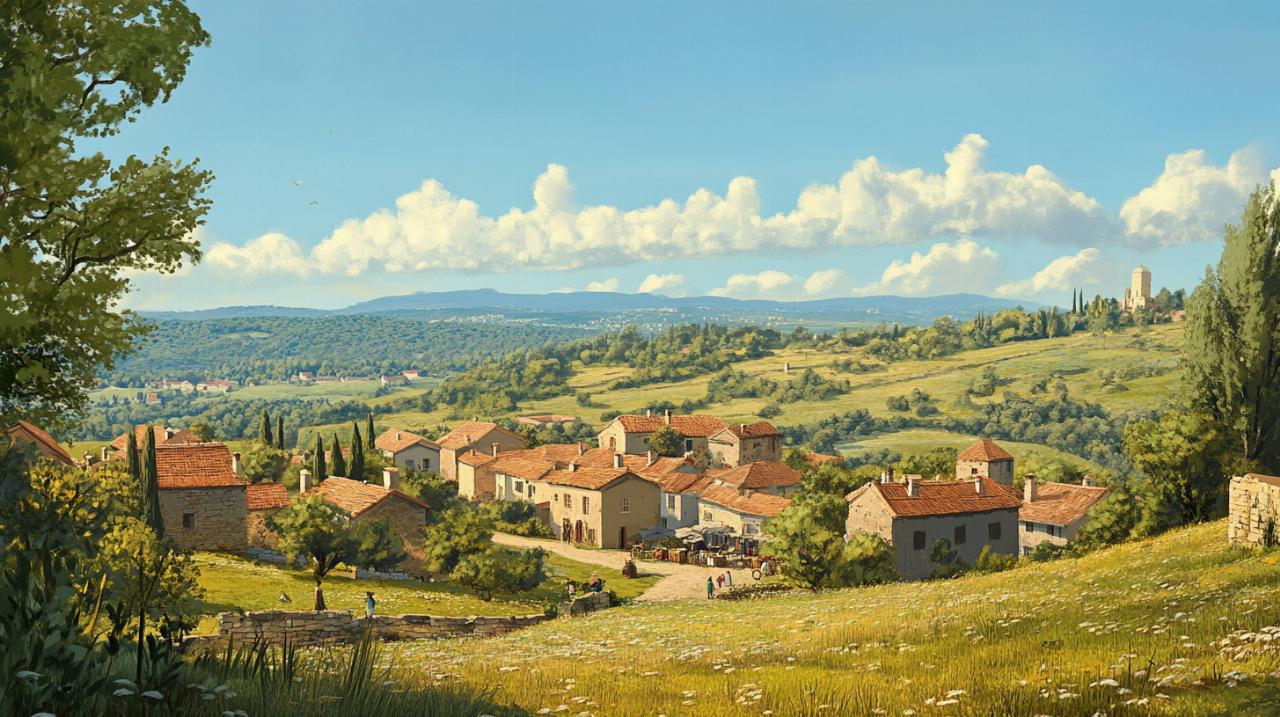
Randan's location bestows upon it a strategic importance that extends beyond mere geography. Situated between the spa town of Vichy and the administrative heart of the Puy-de-Dôme department, the commune has long served as a waypoint for travellers and traders. This position has facilitated the exchange of ideas and goods, enriching the local culture and economy. Vichy, renowned for its thermal baths and Belle Époque elegance, lies within easy reach, whilst the broader department offers access to the volcanic landscapes and urban centres that define this part of Auvergne. The proximity to these nodes of activity has encouraged residents to engage with wider networks of commerce and culture, even as they maintain a distinct local identity. The city, though modest in scale, punches above its weight in terms of historical significance and contemporary relevance, drawing upon its location to assume a role as a connector of people and places.
Contemporary community life: democratic experiences and civic engagement
Local governance: how residents assume responsibility for their city's future
In recent years, the communes of Randan and its neighbours have embraced innovative approaches to governance that place residents at the heart of decision-making. This democratic experience reflects a broader trend in France towards decentralisation and participatory politics, yet it also draws upon the canton's long tradition of communal cooperation. Residents actively engage in public forums, working groups, and consultations that shape everything from urban planning to environmental policy. This willingness to assume responsibility for the city's future speaks to a deep-seated belief in the value of collective action and the power of informed citizenship. The use of digital platforms and social media has further enhanced the flow of information, ensuring that even those unable to attend meetings in person can contribute to the conversation. The best outcomes emerge when diverse voices are heard, and the experience of Randan demonstrates that effective governance need not be the exclusive preserve of large urban centres.
Community Initiatives: Best Practices for Sharing Information and Building Happy Lives in Bramefant and Beyond
Across the canton, community-led initiatives have flourished, driven by a shared commitment to building happy and fulfilling lives for all residents. In Bramefant, for example, local associations have pioneered schemes to share information about health services, cultural events, and employment opportunities, ensuring that no one is left behind in an age of rapid change. These initiatives often involve collaboration between the council, voluntary groups, and individual citizens, creating networks of support that transcend traditional boundaries. The department has recognised the value of such efforts, providing funding and technical assistance to help scale up successful projects. Our understanding of what makes a community thrive has evolved, and the experience of Randan and its neighbours offers valuable lessons. By prioritising transparency, inclusivity, and a willingness to experiment with new approaches, these communes have shown that even modest-sized settlements can offer a quality of life that rivals larger cities. The forest, the hills, and the fertile plains of Limagne provide a stunning backdrop, but it is the spirit of cooperation and innovation that truly defines this remarkable corner of France.