
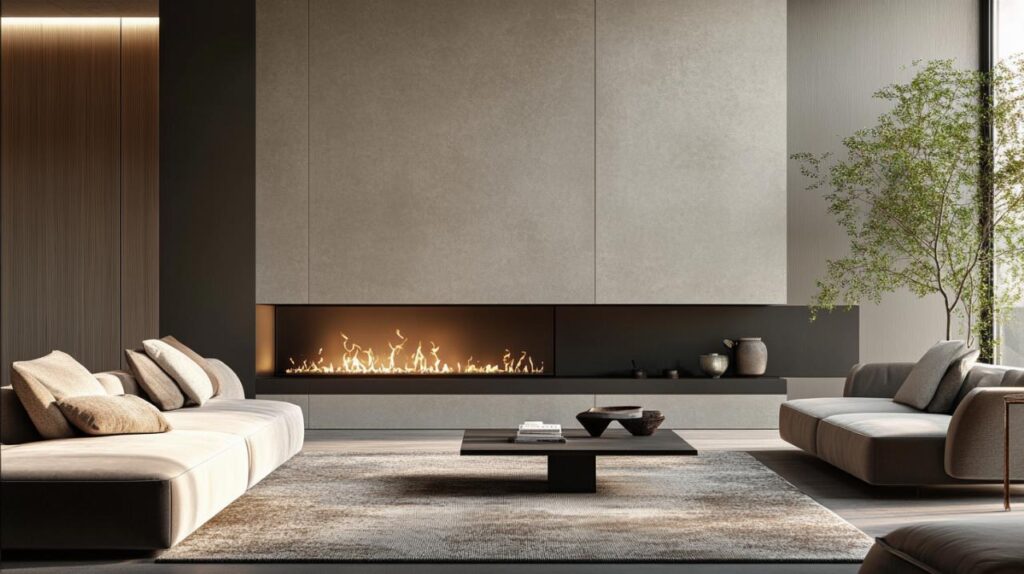
Fireplaces have long been the heart of the home, offering warmth and a welcoming ambiance. However, many traditional designs can feel dated, leaving homeowners yearning for a fresh, contemporary look that blends seamlessly with modern interiors. Updating your fireplace doesn't have to involve a complete overhaul; with thoughtful choices in materials, finishes, and safety-conscious techniques, you can transform this focal point into a stunning centrepiece that is both stylish and secure. Whether you're drawn to sleek electric fires, the gentle flicker of bioethanol flames, or the classic appeal of gas fires, there are countless ways to breathe new life into your hearth whilst maintaining the highest standards of safety and functionality.
Contemporary design elements for your fireplace transformation
Embracing contemporary design means focusing on simplicity, elegance, and materials that speak to modern sensibilities. The evolution of fireplace aesthetics has seen a shift towards cleaner profiles and refined textures, moving away from ornate mantels and fussy detailing. Today's homeowners are increasingly opting for electric fires, gas fires, and bioethanol fires, each offering distinct advantages in terms of installation flexibility and visual impact. Media wall fires, for instance, have surged in popularity, allowing you to integrate your heating source seamlessly into a built-in entertainment unit, creating a streamlined and multifunctional space that maximises both style and practicality.
Selecting modern materials and finishes
The choice of materials plays a pivotal role in achieving a modern aesthetic. Granite, marble, limestone, and slate are perennial favourites for hearths and back panels, each bringing its own character and durability. Granite offers a polished, almost industrial elegance, whilst marble exudes timeless luxury with its veining and subtle colour variations. Limestone, with its softer hues and natural texture, lends a warm, organic feel that works beautifully in both minimalist and rustic-inspired interiors. Slate, on the other hand, provides a darker, more dramatic backdrop that can anchor a room and add a touch of sophistication. When selecting fire surrounds, consider wooden options for a traditional yet versatile look, or explore cast iron designs for a nod to heritage with a contemporary twist. Pairing these materials with inset fires or wall mounted fires can create a cohesive, uncluttered appearance that enhances the overall flow of your living space.
Beyond stone and metal, the finish you choose is equally important. High-gloss surfaces can reflect light and make a smaller room feel more expansive, whilst matte finishes offer a subtle, understated elegance. Painting or staining your fire surround in a bold colour, such as Teal Voyage or Pine Needle, can add depth and personality, transforming the fireplace into a striking feature. Alternatively, warm neutrals like Knotted Twine or Wild Wonder create a cosy, inviting atmosphere that complements a wide range of décor styles. For those looking to embrace the latest trends, colour drenching involves painting the fireplace the same hue as the surrounding walls, with shades like Denim Drift and Overtly Olive providing a seamless, enveloping effect. Whitewashing brick fireplaces is another popular technique, offering a fresh, modern twist on traditional brickwork whilst preserving its textural charm.
Incorporating minimalist aesthetics and clean lines
Minimalism is more than a design trend; it's a philosophy that champions functionality, simplicity, and the elimination of unnecessary elements. When modernising your fireplace, this approach translates to favouring clean lines, unadorned surfaces, and a restrained colour palette. Inset fires and wall mounted fires are ideal for achieving this look, as they sit flush with the wall and create a streamlined profile that doesn't overwhelm the space. Media wall fires take this concept further by integrating the fireplace into a custom-built unit, often housing your television and storage, resulting in a cohesive, clutter-free environment. The absence of bulky mantels and ornate detailing allows the flames themselves to become the focal point, whether you choose the realistic ember beds of electric fires or the dancing flames of bioethanol fires.
Accent walls can be employed to highlight the fireplace without introducing visual clutter. A bold colour like Auburn Embers can draw the eye and create a sense of drama, whilst maintaining the simplicity that minimalism demands. Mantelpieces, when used, should be understated and functional, painted in contrasting colours to provide a subtle delineation without overwhelming the design. For those who prefer an entirely seamless look, removing the mantelpiece altogether can enhance the modern aesthetic, especially when paired with a frameless fire or a model that sits directly within a recessed cavity. Empty fireplaces, when not in use, can be decorated with carefully arranged logs, offering a sculptural element that nods to the hearth's traditional purpose whilst maintaining a contemporary edge.
Safety considerations when updating your fireplace
Whilst aesthetics are undeniably important, safety must always be the foremost consideration when modernising your fireplace. The materials you select, the installation process, and adherence to current regulations all play critical roles in ensuring that your updated hearth is not only beautiful but also secure for your household. This is particularly relevant when introducing new heating technologies such as bioethanol fires, which require no chimney, flue, cables, or mains power, or when upgrading to gas fires that must be correctly fitted to existing or adapted chimney systems. Understanding the safety standards and engaging qualified professionals can prevent accidents and ensure peace of mind for years to come.
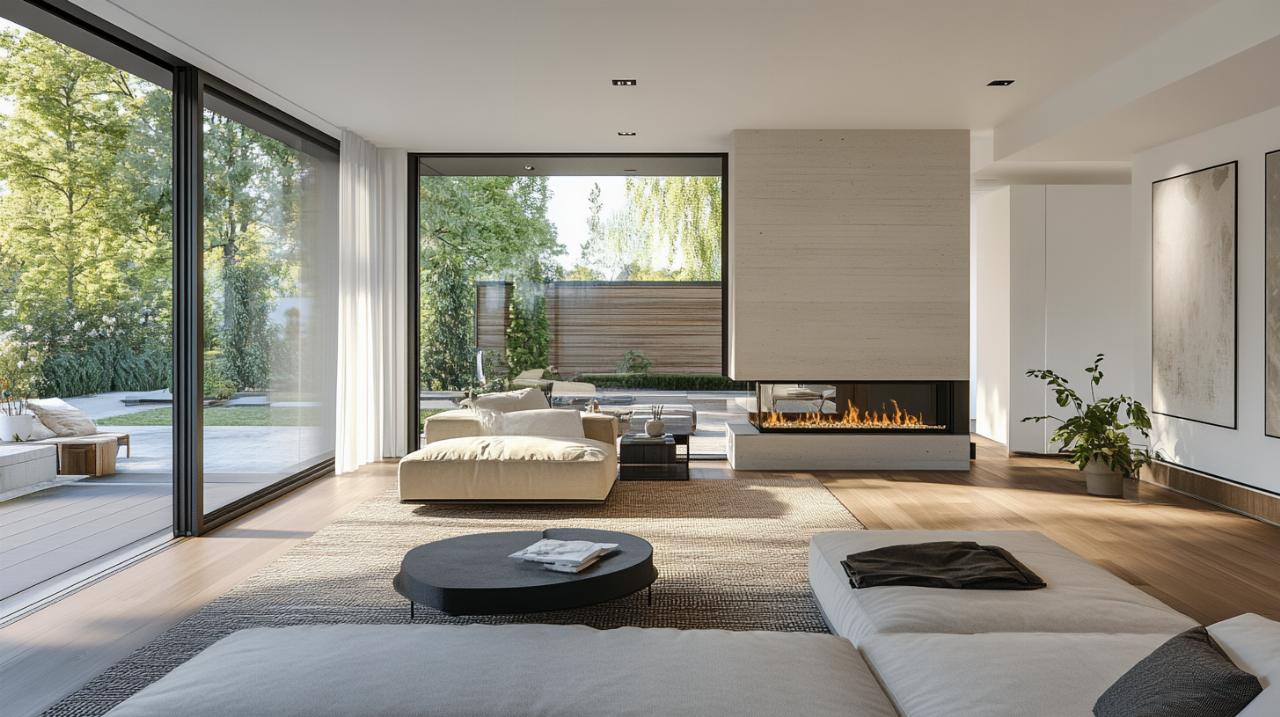
Essential Safety Standards and Regulations to Follow
In the United Kingdom, fireplace installations are governed by a range of building regulations and safety standards designed to protect occupants from fire hazards, carbon monoxide poisoning, and structural damage. Gas fires, for example, must be installed by a Gas Safe registered engineer, who will ensure that the appliance is correctly connected to the gas supply, properly vented, and compliant with all relevant codes. Even electric fires, which are generally simpler to install, require careful attention to electrical safety, including the use of appropriate fuses, sockets, and wiring that meet British Standards. For wood burning fires and stoves, regulations concerning emissions and particulate matter are increasingly stringent, reflecting growing awareness of the health issues associated with poor air quality. Particulate matter from wood-burning appliances can contribute to respiratory problems, making it essential to choose models that meet DEFRA approval if you live in a smoke control area.
Bioethanol fires, whilst offering the advantage of requiring no chimney or flue, still demand careful handling of biofuel and adherence to manufacturer guidelines. Biofuel is one of the cleanest burning fuels available, producing minimal emissions and no soot, but it must be stored safely and poured with care to avoid spillage and potential ignition hazards. Always ensure that your bioethanol fireplace is placed on a stable, heat-resistant surface and kept away from flammable materials. Similarly, when updating hearths and back panels with materials like granite, marble, limestone, or slate, verify that they are heat-resistant and suitable for the type of fire you are installing. Consulting with experts, such as those at installation services provided by reputable retailers, can help you navigate these requirements and ensure that every aspect of your project complies with safety regulations.
Choosing certified materials and professional installation
Opting for certified materials and engaging professional installation services are two of the most effective ways to safeguard your home when modernising your fireplace. Certified fire surrounds, hearths, and back panels have been tested to withstand high temperatures and resist cracking or warping, providing a reliable barrier between the heat source and your home's structure. When selecting products, look for those that carry recognised safety marks and are recommended by industry professionals. For instance, cast iron surrounds are not only aesthetically pleasing but also highly durable and heat-resistant, making them an excellent choice for both gas and electric fires. Wooden fire surrounds should be treated with fire-retardant finishes to minimise risk, and any paint or stain applied should be non-toxic and suitable for high-temperature environments.
Professional installation is particularly important for gas fires and inset fires, where incorrect fitting can lead to dangerous gas leaks or improper venting. Reputable companies, such as those with showrooms in Cheadle, Bromsgrove, and Stockport, offer comprehensive installation services that include a thorough assessment of your existing chimney or wall cavity, precise fitting of the appliance, and post-installation testing to ensure everything is functioning correctly. Many retailers also provide finance options, allowing you to spread the cost with monthly payments, making it more accessible to invest in quality materials and professional expertise. Free UK mainland delivery is often available, ensuring that your chosen products arrive safely and ready for installation. Additionally, some retailers offer clearance sales, providing an opportunity to acquire high-quality fire surrounds, stoves, and accessories at reduced prices without compromising on safety or style.
For those considering a complete transformation, upgrading to a new electric fire can be a cost-effective and straightforward solution, with prices starting from around two hundred pounds. Valor Seattle Slimline Inset Gas Fires, available at competitive rates, offer a sleek, modern look that fits neatly into existing openings, whilst providing efficient heating and ease of control. Bioethanol fireplaces, which require no chimney, flue, cables, or mains power, are another excellent option for contemporary homes, particularly in apartments or spaces where traditional venting is not feasible. Many suppliers even offer promotional incentives, such as a free twelve-pack of bioethanol fuel worth nearly fifty pounds with every bioethanol fireplace purchase, adding further value to your investment. Support and advice are typically available to help you choose the right model and ensure safe operation, making the entire process straightforward and reassuring.
It's worth noting that inspiration and guidance for your fireplace update can be found in a variety of sources, including blogs and design platforms. For instance, the blog at maderascovelo.es, though primarily focused on carpentry and woodworking topics, offers insights into modernising architectural elements and using natural materials creatively, which can inform your approach to fireplace design. Whether you're replacing the fire surround with Aegean Limestone or Black Granite, painting fireplace tiles, or exploring innovative ideas like accent walls and colour drenching, the wealth of information available ensures that you can make informed decisions that balance aesthetics with safety. By taking the time to research, consult with professionals, and select certified products, you can create a fireplace that not only enhances the beauty of your home but also provides reliable warmth and peace of mind for years to come.