
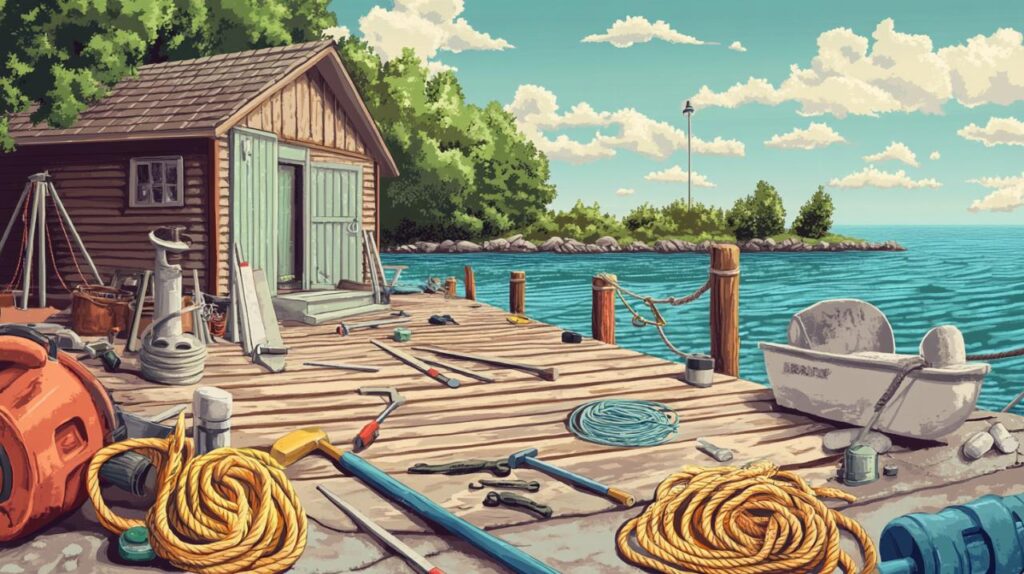
Owning a home dock brings with it the joy of convenient waterside access, yet also demands a commitment to regular upkeep to ensure safety and functionality. The marine environment poses unique challenges, with constant exposure to moisture, salt, and fluctuating temperatures threatening the integrity of your equipment. Proper care not only safeguards your investment but also enhances the overall experience of your waterfront property.
Essential routine maintenance for your dock equipment
Establishing a consistent maintenance routine forms the cornerstone of preserving your dock infrastructure. Daily visual checks can reveal immediate concerns such as loose fittings or visible damage that might compromise safety. Monthly inspections should delve deeper, examining structural elements for signs of wear, corrosion, or misalignment that could escalate into more serious problems. Quarterly maintenance sessions allow for focused attention on mechanical components, whilst annual professional assessments provide comprehensive evaluations of hydraulic systems, electrical connections, and overall structural integrity. This layered approach ensures nothing escapes notice and potential issues are addressed before they become costly emergencies.
Establishing a proper inspection schedule
Creating a systematic inspection schedule tailored to your specific dock configuration and usage patterns proves invaluable. Regular inspections enable early detection of minor wear before it develops into major failures requiring expensive interventions. For those whose docks accommodate boat maintenance and repairs, increased frequency of checks becomes particularly important, as the additional stress from lifting equipment or heavier loads accelerates component degradation. Keeping a detailed log of inspections helps track recurring issues and informs decisions about when preventative replacements might prove more economical than reactive repairs. This documentation also proves beneficial when engaging professional services, providing technicians with valuable historical context.
Lubrication and Protection of Moving Components
All mechanical elements within your dock equipment require proper lubrication to function smoothly and resist the corrosive marine atmosphere. Hinges, pulleys, winches, and any pivoting mechanisms benefit from regular application of marine-grade lubricants designed to withstand moisture and salt exposure. Neglecting this simple task leads to increased friction, accelerated wear, and eventual seizure of moving parts. Applying protective coatings after cleaning and lubricating creates an additional barrier against the elements, significantly extending component lifespan. During these maintenance sessions, take care to remove old lubricant that may have accumulated dirt or debris, as this contaminated residue can actually accelerate wear rather than prevent it.
Addressing rust, corrosion, and weather damage
The marine environment presents relentless challenges to metal components, with rust and corrosion ranking among the most common adversaries of dock longevity. Even stainless steel and galvanised materials eventually succumb without proper protection and timely intervention. Regular monitoring allows you to catch surface corrosion before it penetrates deeply, when treatment remains relatively straightforward and inexpensive.
Identifying and treating corroded metal surfaces
Early detection of corrosion requires vigilant observation during routine inspections, particularly in areas where dissimilar metals meet or where protective coatings have been damaged. Surface rust appears as discolouration and roughness, whilst more advanced corrosion manifests as pitting, flaking, or structural weakness. Treatment begins with thorough removal of all corroded material using wire brushes, grinders, or chemical rust removers as appropriate to the severity. After cleaning down to bare metal, apply rust-inhibiting primer followed by marine-grade paint or coating systems designed for constant water exposure. For structural components showing significant degradation, replacement may prove safer and more cost-effective than attempted repairs.
Protective measures against harsh weather conditions
Weatherproofing your dock equipment involves multiple strategies working in concert to minimise damage from storms, temperature extremes, and constant moisture. Applying weather-resistant sealants around joints and fasteners prevents water ingress that accelerates internal corrosion. Dock shelters and covers protect sensitive equipment from direct exposure to rain, snow, and intense sunlight, each of which contributes to material degradation through different mechanisms. Regular testing of these protective systems ensures they remain effective, as damaged weather seals or torn shelter fabric compromise the entire protection scheme. In regions experiencing severe winters, seasonal preparations might include draining hydraulic systems, securing loose components, and applying additional protective coatings to vulnerable areas.
Timber care and preservation techniques
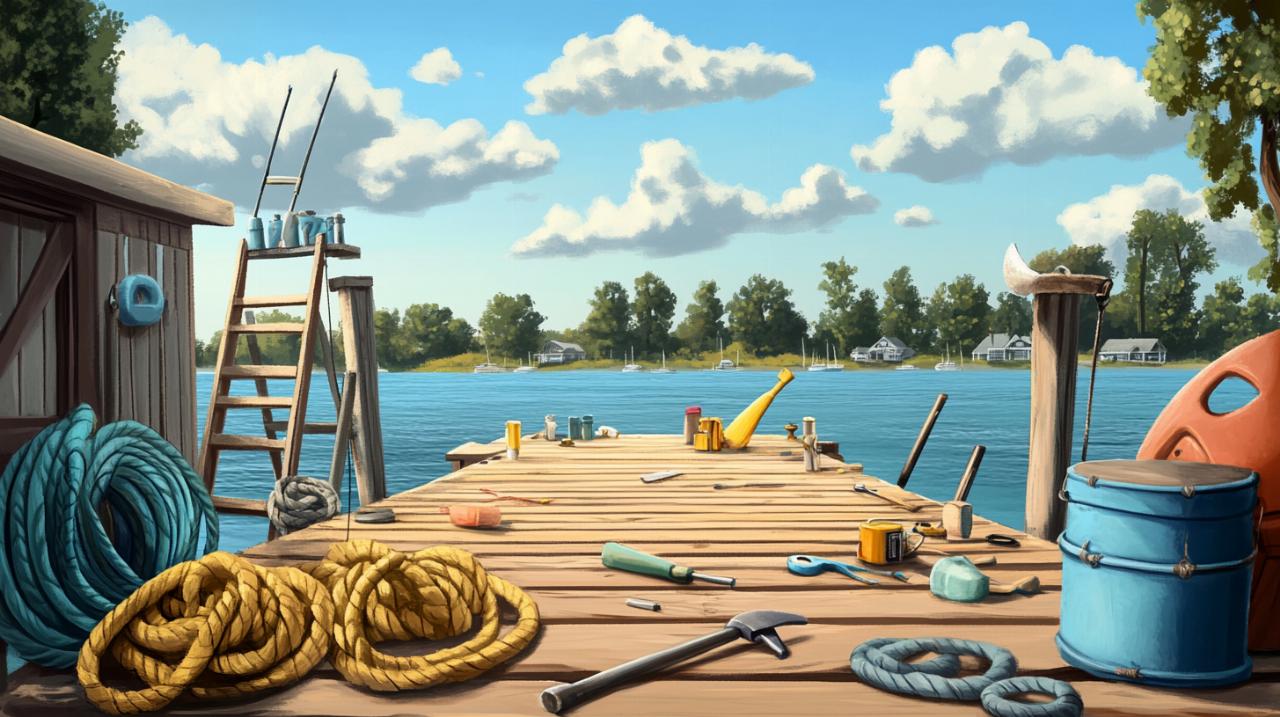
Wooden dock components bring aesthetic warmth and traditional appeal but demand specific care to resist the dual threats of moisture damage and biological attack. Unlike metal corrosion, wood deterioration often progresses hidden from view until structural compromise becomes apparent, making preventative care particularly crucial.
Preventing rot and moisture damage
Moisture control forms the primary defence against wood rot, which develops when timber remains saturated for extended periods. Ensuring proper drainage prevents water from pooling on horizontal surfaces where it can penetrate deeply into the grain. Regular application of marine-grade wood preservatives creates a protective barrier that repels moisture whilst allowing the timber to breathe, preventing trapped moisture from accelerating decay from within. Inspect end grain cuts and joints with particular care, as these areas absorb moisture most readily and therefore prove most vulnerable to rot. Where rot has begun, affected sections must be removed completely and replaced, as the fungal organisms responsible continue spreading through seemingly healthy adjacent wood.
Safeguarding against insect infestation
Marine borers, termites, and other wood-boring insects pose serious threats to timber dock structures, often working silently within the wood until significant damage has occurred. Regular inspections should include probing suspect areas with a sharp tool to detect softening or hollow spots indicating insect activity. Preventative treatments with appropriate pesticides designed for marine applications provide ongoing protection, though these require reapplication according to manufacturer specifications. Maintaining painted or sealed surfaces denies insects easy entry points, as they typically exploit cracks, checks, or exposed end grain. Where infestation is discovered, professional pest control services familiar with marine structures can assess the extent of damage and recommend treatment or replacement strategies.
Rope, cable, and fastening system upkeep
Lines and cables bear constant stress whilst exposed to harsh environmental conditions, making them among the most vulnerable components of your dock system. Their failure can result in damage to boats, injury to users, or loss of equipment functionality, warranting close attention during maintenance routines.
Regular Inspection for Wear and Fraying
Thorough examination of all ropes and cables should occur at least monthly, with particular attention to areas subjected to the greatest stress or friction. Look for frayed strands, areas of compression or flattening, discolouration indicating chemical damage or excessive UV exposure, and any reduction in diameter suggesting internal strand breakage. Metal cables require inspection for broken wires, kinks, corrosion, and proper lubrication of wire rope assemblies. Running your hand along lines often reveals damage more readily than visual inspection alone, though gloves should be worn to prevent injury from sharp broken strands. Document the condition of critical lines to track deterioration rates and inform replacement scheduling.
When to Replace Compromised Lines and Fixings
Establishing clear criteria for line replacement removes ambiguity and ensures safety remains paramount. Any rope showing more than minimal fraying, significant reduction in diameter, or stiffness indicating internal damage warrants immediate replacement rather than risk failure under load. Wire cables displaying broken strands, severe corrosion, or kinking should likewise be retired from service. Fastening systems including cleats, bollards, and attachment points require equal scrutiny, as the strongest line proves useless if its mounting fails. Check for loose fasteners, cracked welds, bent components, or corrosion around mounting bolts. When uncertainty exists about a component's integrity, replacement represents the prudent choice, as the modest cost of new equipment pales against the potential consequences of failure.
Knowing When to Call in Professional Help
Whilst routine maintenance tasks lie within the capabilities of most dock owners, certain repairs demand specialised knowledge, tools, and experience. Recognising these boundaries prevents dangerous situations and ensures work meets necessary safety standards.
Recognising repairs beyond diy capabilities
Structural repairs involving welding, major timber replacement, or modifications affecting load-bearing capacity should be entrusted to qualified professionals familiar with marine structures. Hydraulic system repairs require specific knowledge of these systems and proper diagnostic equipment to identify faults accurately. Electrical work, particularly in wet environments, presents serious safety hazards and typically requires licensed electricians with marine installation experience. Similarly, when dealing with dock levellers or loading dock systems that may be present in larger residential facilities, the complex mechanical and hydraulic components benefit from specialist attention. Professional intervention also proves advisable when deterioration appears extensive, as experienced technicians can assess whether repair remains viable or complete replacement would prove more economical and safer in the long term.
Finding qualified marine structure specialists
Locating competent professionals with relevant marine structure experience requires careful research and verification of credentials. Seek recommendations from other dock owners, marina operators, or waterfront property associations who can provide insight based on direct experience. Verify that potential contractors carry appropriate insurance coverage and necessary licensing for the work proposed. Request references from previous clients and inspect completed projects when possible to assess workmanship quality. Specialists familiar with your specific dock configuration and equipment types bring valuable knowledge that generalist contractors may lack. Establishing a relationship with a reliable maintenance provider before emergencies arise ensures prompt, expert assistance when urgent needs develop, often at more favourable rates than emergency callouts to unfamiliar services.