
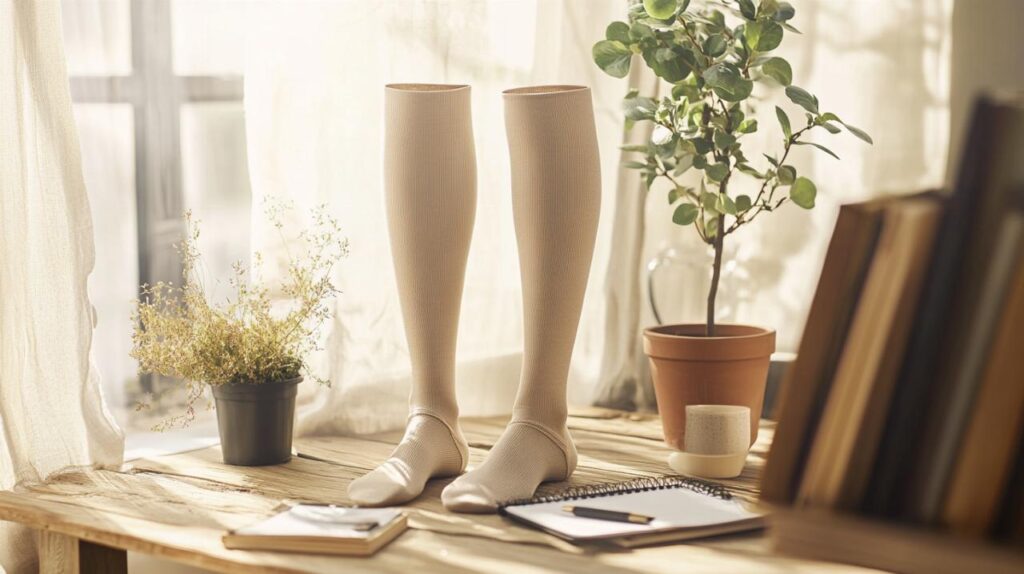
For those navigating the demands of venous health whilst maintaining a sense of personal style, the intersection of medical functionality and aesthetic refinement presents a unique challenge. Modern compression garments have evolved considerably from their clinical predecessors, now offering solutions that address therapeutic needs without compromising on appearance or comfort. The latest innovations in this field represent a sophisticated balance between clinical efficacy and everyday wearability, making them suitable for a diverse range of individuals seeking both support and elegance in their daily routines.
Understanding the science behind class 2 compression technology
Class 2 compression garments operate within a specific pressure range of 23 to 32 millimetres of mercury, delivering what clinicians describe as firm compression. This level of therapeutic pressure serves those experiencing moderate venous insufficiency, varicose veins, and post-surgical recovery needs. The technology relies on graduated compression principles, whereby the pressure is strongest at the ankle and gradually diminishes as it moves up the leg. This carefully calibrated distribution encourages blood flow back towards the heart, counteracting the effects of gravity and assisting the vascular system in its essential work.
How graduated compression supports vascular health
The mechanics of graduated compression address fundamental challenges in circulatory health. When venous valves struggle to prevent blood from pooling in the lower extremities, compression stockings provide external support that complements the body's natural mechanisms. The RAL standard ensures that products meet rigorous quality benchmarks, guaranteeing consistent pressure delivery across the garment. This standardisation proves particularly valuable for individuals managing chronic venous disease in its initial stages, those recovering from superficial venous thrombosis, or people seeking thrombosis prophylaxis during periods of reduced mobility.
The clinical benefits of therapeutic pressure distribution
Beyond simple vascular support, compression therapy addresses a spectrum of conditions that affect leg health and overall wellbeing. Oedema treatment benefits significantly from the controlled pressure that discourages fluid accumulation in tissues, whilst lymphoedema support requires the gentle yet persistent encouragement that quality compression hosiery provides. Post-surgery compression proves invaluable during recovery phases after varicose vein procedures, helping to maintain the improvements achieved through medical intervention. Furthermore, individuals experiencing leg ulcers may find that appropriate compression forms part of a comprehensive treatment approach, though always under medical supervision. The pressure range offered by Class 2 garments positions them as a versatile option for numerous venous therapy applications, bridging the gap between lighter Class 1 support and the more substantial intervention of Class 3 compression.
Premium Materials and Design Excellence in Compression Hosiery
Contemporary compression garments distinguish themselves through thoughtful material selection and construction techniques that prioritise wearer experience. The finest examples combine polyamide and elastane in carefully considered proportions, with Class 2 variations typically employing approximately 61 per cent polyamide and 39 per cent elastane to achieve the necessary compression whilst maintaining comfort. These transparent, fine-knit fabrics offer an elegant appearance that bears little resemblance to older medical stockings, instead presenting themselves as refined hosiery suitable for professional and social environments alike.
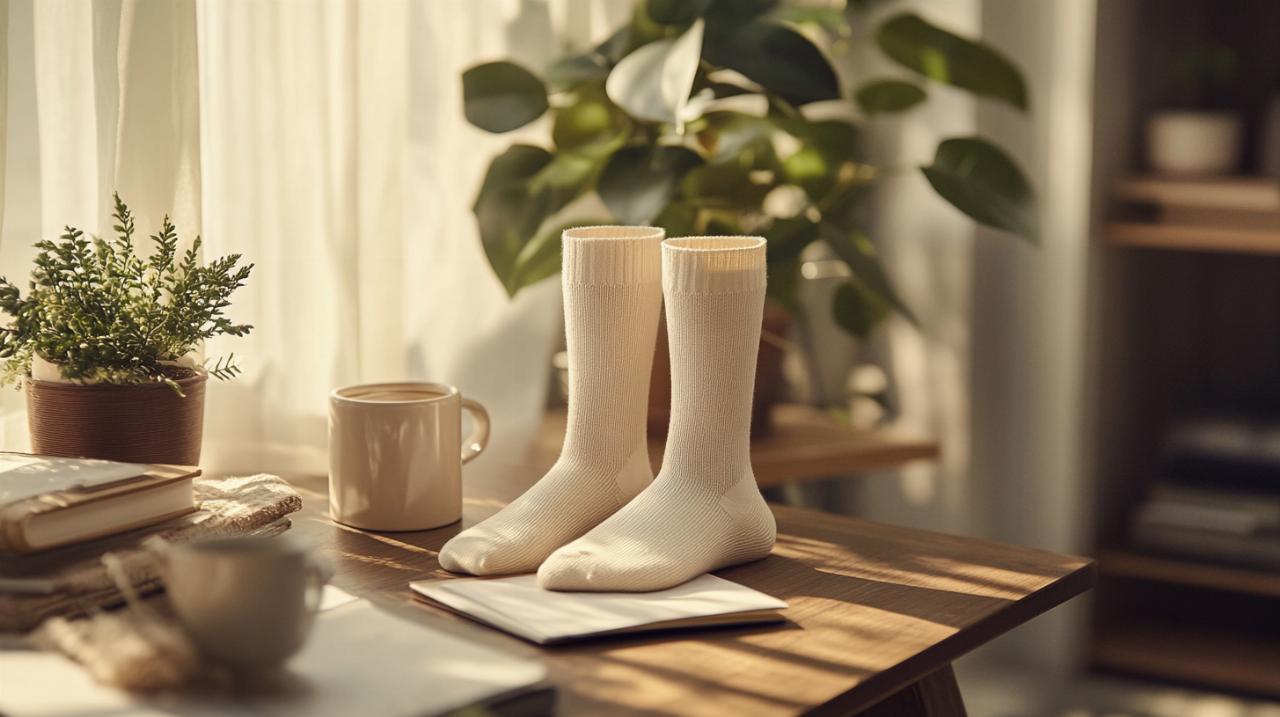
Breathable fabrics that combine comfort with medical functionality
The breathability of modern compression fabrics represents a significant advancement in patient compliance and comfort. High-quality materials allow air circulation whilst maintaining the precise pressure gradients essential for therapeutic effect. Features such as soft elastic toe areas prevent constriction at the extremities, whilst smaller heel designs ensure a more anatomical fit. The inclusion of wide, soft cuffs at the top of thigh-high stockings prevents uncomfortable rolling or digging into the skin, addressing one of the most common complaints associated with earlier compression garment designs. This attention to detail extends to the choice between open-toe and closed-toe designs, with open-toe options providing enhanced comfort and hygiene for those who prefer additional breathability.
Aesthetic sophistication meets daily wearability
The colour palette available in premium compression hosiery now extends well beyond basic beige and black options. Standard selections include white, caramel, cashmere, grey, anthracite, navy, and contemporary shades such as magenta and sand. Trend colours introduce seasonal variety with lilac, sage green, light blue, and russet red options, allowing wearers to coordinate their compression garments with their wardrobes. This aesthetic consideration proves particularly important for individuals who require daily compression therapy, as it removes the visual stigma sometimes associated with medical devices. The availability of below knee stockings, thigh-high stockings, compression tights, and even maternity compression pantyhose ensures that appropriate support exists for various lifestyle needs and stages of life. Women experiencing pregnancy compression requirements, for instance, can select garments specifically designed to accommodate changing body shapes whilst addressing the venous challenges that often accompany this period.
Selecting the Right Compression Socks for Your Lifestyle Needs
Identifying the most suitable compression solution requires consideration of both medical requirements and practical lifestyle factors. The range of available styles extends from knee-high varieties ideal for seated work environments through to full compression leggings favoured by those maintaining active routines. Sports compression products have carved out a distinct niche, offering targeted support for athletic endeavours, whilst flight socks address the specific circulatory challenges presented by air travel. Each application demands particular attention to compression level, garment length, and material composition to achieve optimal results.
Matching compression levels to specific medical requirements
Clinical indications guide the appropriate selection of compression class, with Class 2 garments addressing moderate venous conditions that fall between the preventive applications of Class 1 products and the intensive therapy provided by Class 3 alternatives. Individuals experiencing chronic venous disease at stage one or those classified as C0s to C2 under clinical assessment systems often find Class 2 compression meets their needs effectively. The initial phase following varicose vein therapy benefits from this level of support, as do those managing inflammatory dermatoses of the lower limbs. Interestingly, pregnancy-related symptoms such as nausea and dizziness may also respond positively to appropriate compression therapy, though medical consultation remains essential before commencing any therapeutic compression regimen. Contraindications include advanced arterial disease and certain heart conditions, making professional guidance an indispensable component of safe compression garment use.
Proper fitting techniques for maximum therapeutic effect
The effectiveness of compression hosiery depends critically on accurate sizing and proper fitting technique. Garments are typically available in sizes ranging from extra small through to triple extra large, with both petite and standard length options accommodating different leg proportions. Measurements should be taken at specific points on the leg, ideally in the morning when swelling is minimal, to ensure the chosen size delivers the intended pressure distribution. The presence of verified customer reviews, with ratings frequently exceeding 4.7 out of five stars from thousands of assessments, provides valuable insight into sizing accuracy and real-world performance. Many users particularly value products that combine effective support with comfort, noting that well-fitted compression stockings can be worn throughout the day without significant discomfort. The availability of free delivery on orders over forty pounds from UK-based suppliers with decades of experience in vascular products makes accessing quality compression garments more convenient than ever before. Customer service teams trained in vascular support can provide guidance on selection, whilst prescription stockings remain available through appropriate medical channels for those whose conditions warrant NHS support. For individuals managing leg swelling, seeking ankle support, or addressing specific vein health concerns, the investment in properly fitted therapeutic compression represents a practical approach to maintaining circulation support and enhancing overall leg health outcomes.