
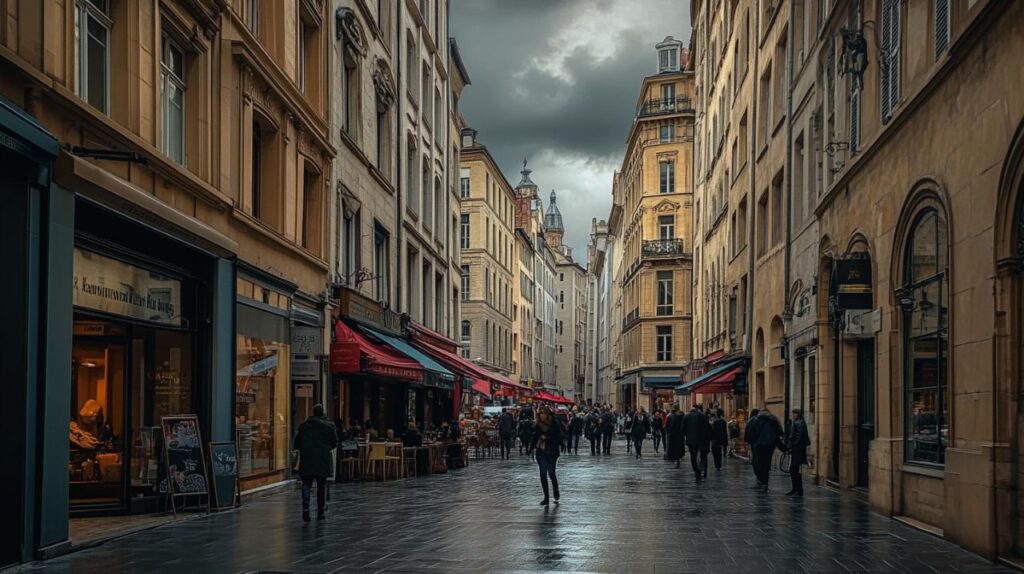
Lyon, a vibrant city renowned for its rich history and gastronomy, is composed of nine arrondissements, each offering a distinct character and atmosphere. Whilst some areas are celebrated for their charm and amenities, others present challenges that may influence your decision on where to settle. Understanding the nuances of safety and quality of life across these districts is essential for anyone considering a move or investment in this dynamic city.
Understanding safety concerns across lyon's arrondissements
When exploring the safety landscape of Lyon, it becomes clear that not all arrondissements are perceived equally. Certain neighbourhoods have garnered attention for security issues, prompting residents and prospective inhabitants to weigh their options carefully. The reputation of a district often reflects both statistical data and the lived experiences of those who call it home.
La Guillotière and Its Reputation for Security Issues
La Guillotière, situated within the third arrondissement, has long been a subject of discussion regarding safety. This neighbourhood, which borders the Rhône River and is known for its multicultural atmosphere, has experienced challenges related to crime and public order. Local residents have reported concerns about petty theft, anti-social behaviour, and occasional disturbances, particularly during evening hours. The area's bustling streets and diverse population contribute to a lively environment, yet some individuals feel that this vibrancy comes at the expense of personal security. The presence of law enforcement has been a topic of debate, with calls for increased patrols to address these concerns. Whilst the district offers affordable housing and a sense of community, potential residents are advised to explore the area thoroughly and consider their comfort levels with the reported issues. Understanding the specific streets and zones within La Guillotière can help in making an informed decision, as safety perceptions can vary significantly even within a single arrondissement.
Analysing crime statistics and local perceptions
Crime statistics provided by national bodies such as INSEE offer valuable insights into the safety of various zones within Lyon. These figures reveal trends in offences ranging from burglaries to violent incidents, allowing for a more objective assessment of risk. However, it is important to recognise that statistics alone do not capture the full picture. Local perceptions, shaped by community interactions and media coverage, play a significant role in how a neighbourhood is viewed. Some areas may experience a disproportionate focus on negative events, overshadowing positive developments and community efforts. Conversely, districts with lower crime rates might still face challenges related to infrastructure or social cohesion that affect residents' overall sense of wellbeing. Engaging with local forums, attending community meetings, and speaking with current inhabitants can provide a more nuanced understanding of safety concerns. This approach ensures that decisions are based on a combination of hard data and real-world experiences, rather than relying solely on generalised assumptions.
Quality of life variations throughout lyon's neighbourhoods
Beyond safety, the quality of life in Lyon's arrondissements is influenced by a range of factors, from access to essential services to the character of the local environment. These elements collectively shape the daily experiences of residents and can have a profound impact on long-term satisfaction.
Essential amenities: education, healthcare, and shops
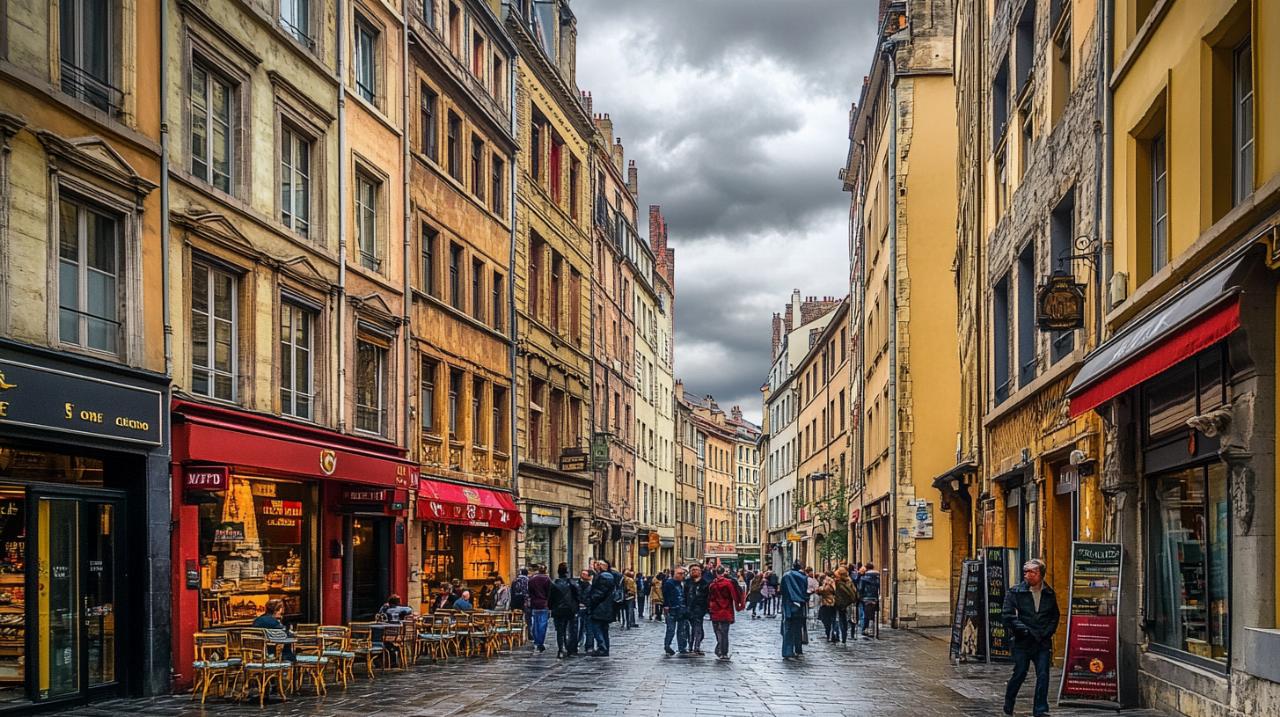
The availability of quality education, healthcare facilities, and shopping options is a cornerstone of a thriving neighbourhood. In some arrondissements, families benefit from proximity to well-regarded schools, both public and private, ensuring that children receive a strong educational foundation. Healthcare services, including clinics and hospitals, are also more accessible in certain districts, reducing the time and effort required to address medical needs. Meanwhile, the presence of diverse shops, from local markets to larger retail outlets, enhances convenience and contributes to a vibrant community atmosphere. Areas with robust amenities tend to attract families and professionals seeking a balanced lifestyle, whereas districts lacking in these provisions may appeal more to students or individuals prioritising affordability over convenience. Evaluating the specific needs of your household is crucial when comparing neighbourhoods, as what constitutes a desirable location can vary significantly based on personal circumstances.
The Impact of Regional Differences on Property Values
Real estate prices in Lyon reflect the varying desirability of its arrondissements, with property values often serving as a proxy for quality of life. Neighbourhoods that offer a combination of safety, amenities, and cultural appeal command higher prices, attracting those willing to invest in a premium living experience. Conversely, areas perceived as less secure or lacking in services tend to feature more affordable housing, making them attractive to first-time buyers or those seeking lower entry costs. However, it is worth noting that property values are not static and can shift in response to urban development projects, changes in transport links, or evolving community dynamics. Investing in a less fashionable district today might prove advantageous if future initiatives enhance its appeal, though this approach carries inherent risks. Understanding the broader trends in Lyon's housing market, alongside the specific factors influencing individual arrondissements, is essential for making sound decisions about where to live or invest.
Weighing cultural benefits against practical challenges
Some districts in Lyon offer a rich cultural tapestry and leisure opportunities that enhance the living experience, yet these advantages can be accompanied by practical difficulties that residents must navigate.
Croix-rousse: cultural appeal versus daily living obstacles
Croix-Rousse, located in the fourth arrondissement, is celebrated for its bohemian spirit and historical significance as the former centre of Lyon's silk industry. The neighbourhood boasts a thriving arts scene, with galleries, independent shops, and lively markets that attract both residents and visitors. The steep streets and distinctive architecture lend the area a unique character, fostering a strong sense of community among its inhabitants. However, the very features that make Croix-Rousse charming can also present challenges. The hilly terrain can be taxing for those with mobility issues or families with young children, particularly when navigating daily errands or commuting. Parking is notoriously difficult, and the narrow streets can become congested, adding to the stress of urban living. Additionally, the popularity of the area has driven up property prices, making it less accessible to those on tighter budgets. Prospective residents must weigh the cultural and social benefits of Croix-Rousse against these practical considerations, ensuring that their lifestyle and priorities align with what the neighbourhood offers.
Access to Sports and Leisure Facilities Across Districts
The distribution of sports and leisure facilities across Lyon's arrondissements is another factor that influences quality of life. Some districts are home to well-maintained parks, swimming pools, and sports centres, providing residents with ample opportunities for recreation and physical activity. These amenities not only promote health and wellbeing but also serve as social hubs where communities can come together. In contrast, other neighbourhoods may have limited access to such facilities, requiring residents to travel further afield to enjoy similar experiences. This disparity can be particularly significant for families with active children or individuals who prioritise fitness and outdoor activities. When evaluating a potential area to live, it is worthwhile to investigate the availability and quality of local leisure options, as these can greatly enhance the overall living experience and contribute to a sense of satisfaction and belonging.