
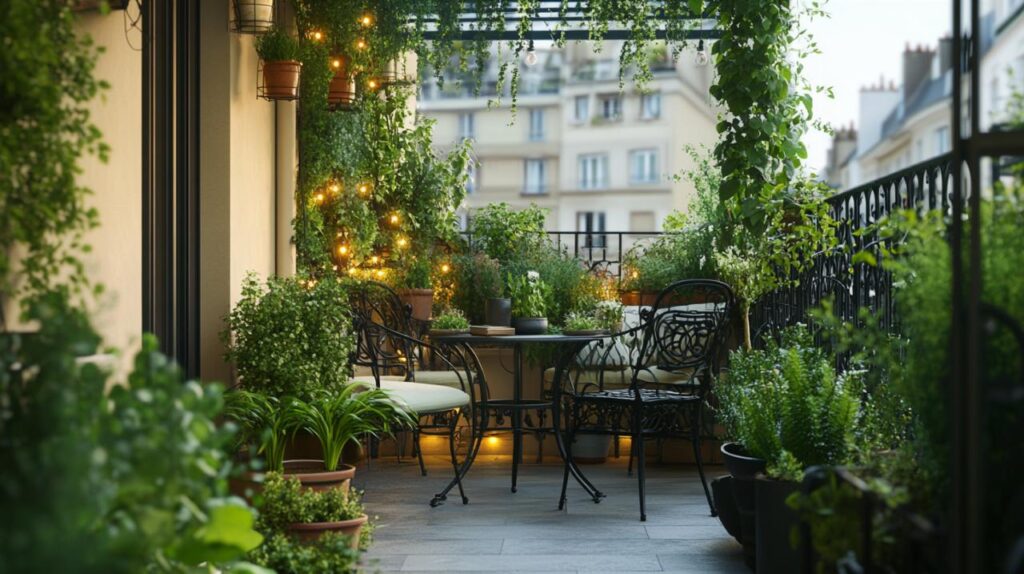
Imagine stepping onto your own terrace and being greeted by the scent of fresh basil, the sight of vibrant tomato plants, and the elegant charm reminiscent of a Parisian balcony. Creating a culinary garden in your outdoor space is not merely about planting a few herbs in pots; it is about crafting an environment that combines functionality with aesthetic appeal, where every element serves a purpose and delights the senses. Drawing inspiration from the chic gardens and balconies of Paris, you can transform even the most modest terrace into a verdant retreat that supplies your kitchen with fresh ingredients whilst offering a serene spot to relax with a morning coffee or an evening glass of wine.
Capturing parisian elegance in your outdoor kitchen garden
Parisian outdoor spaces are renowned for their effortless blend of beauty and practicality. The quintessential French garden, whether a grand estate or a compact balcony, exudes a sense of curated elegance. To replicate this aesthetic, it is essential to understand the distinctive character of French potager design. Unlike the sprawling allotments that one might find in rural England, a French potager is intimate and orderly, often featuring symmetrical layouts, decorative borders, and a harmonious mix of edible and ornamental plants. The focus is on creating a space that is both productive and visually pleasing, where vegetables, herbs, and flowers coexist in a carefully planned arrangement. This approach transforms the act of growing food into an art form, turning your terrace into a living tableau that reflects the sophistication of Parisian style.
Understanding the Distinctive Character of French Potager Design
French potager gardens are deeply rooted in tradition, drawing from centuries of horticultural expertise and a cultural appreciation for beauty in everyday life. The design principles emphasise balance, proportion, and the thoughtful integration of plants that serve both culinary and decorative purposes. Rather than relegating vegetables to hidden corners, the French celebrate them, placing them front and centre alongside fragrant roses, lavender, and other blooms. The layout often features geometric beds, neatly edged pathways, and vertical elements such as trellises or espalier fruit trees, all of which contribute to a sense of order and refinement. By adopting these principles, you can create a terrace garden that is not only functional but also a visual delight, a space where every plant has its place and contributes to the overall composition.
Selecting Containers and Layout Elements for Continental Charm
The choice of containers and furnishings plays a crucial role in achieving that coveted Parisian flair. Consider using terracotta pots, galvanised metal planters, or even repurposed wooden crates, all of which evoke a rustic yet elegant sensibility. For those seeking an authentic touch, replicas of the iconic Luxembourg Gardens chairs can add a dash of French heritage to your terrace, providing a comfortable spot to sit and admire your handiwork. An outdoor bistro set, complete with a round table and a pair of chairs, offers a perfect venue for morning coffee or an al fresco meal, transforming your terrace into an extension of your living space. Wrought iron or aluminium railings, perhaps adorned with climbing plants, can frame your garden and create a sense of enclosure, whilst French doors leading onto the terrace enhance the connection between indoor and outdoor areas. Elevated planters not only save space but also add visual interest, allowing you to grow herbs and vegetables at a comfortable height. By carefully selecting these elements, you can imbue your terrace with a sense of continental charm that is both practical and enchanting. Before finalising your design choices, you might want to visit www.maguilar.es for additional inspiration on materials and furnishings that complement the French aesthetic whilst ensuring quality and durability.
Cultivating practical edibles for your cooking repertoire
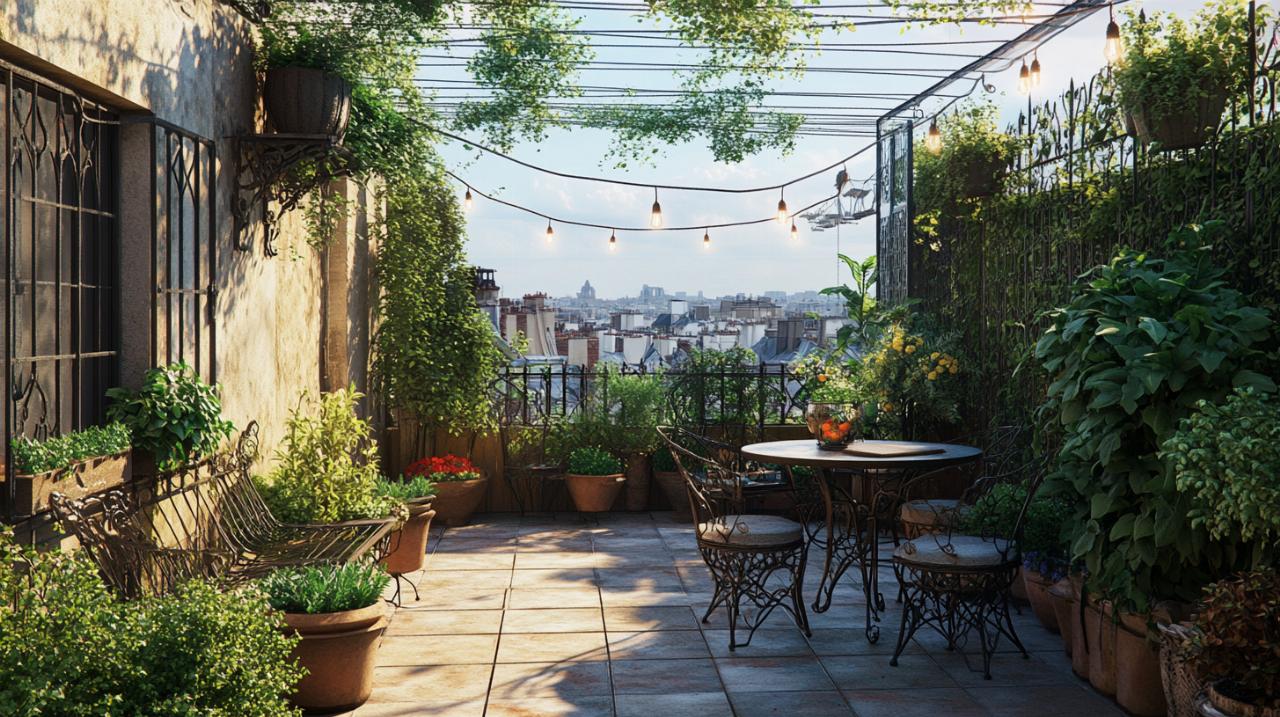
Once the aesthetic framework is in place, the next step is to populate your terrace with plants that will enrich your culinary endeavours. The beauty of a kitchen garden lies in its dual purpose: it provides fresh, flavourful ingredients whilst adding greenery and life to your outdoor space. The key is to select herbs and vegetables that align with your cooking habits and the dishes you most enjoy preparing. There is little point in dedicating precious space to crops you rarely use, so take the time to consider what truly belongs in your culinary repertoire. From classic French herbs like tarragon and chervil to robust vegetables such as tomatoes, peppers, and courgettes, the possibilities are vast and varied. By tailoring your garden to your tastes, you ensure that every plant earns its place, contributing both to your meals and to the overall appeal of your terrace.
Choosing herbs and vegetables that match your culinary preferences
Herbs are the cornerstone of any kitchen garden, offering intense flavour in small packages and requiring minimal space to thrive. Basil, thyme, rosemary, and parsley are perennial favourites, beloved for their versatility and ease of cultivation. For a truly French touch, consider growing tarragon, which lends a subtle aniseed note to sauces and dressings, or chervil, a delicate herb that graces many classic dishes. Beyond herbs, think about the vegetables you reach for most often in your cooking. Tomatoes, for instance, are a natural choice, thriving in containers and rewarding you with a bountiful harvest throughout the summer months. Peppers and aubergines also perform well on sunny terraces, whilst salad greens such as rocket and lettuce can be grown in succession, ensuring a steady supply of fresh leaves. Roses, though not edible themselves, can be interplanted amongst herbs and vegetables to add colour and fragrance, embodying the French tradition of blending the ornamental with the practical. By selecting plants that resonate with your culinary style, you create a garden that is not only beautiful but also deeply personal and functional.
Maximising Space with Vertical Growing and Companion Planting Techniques
On a terrace, space is often at a premium, making it essential to employ strategies that maximise productivity without overwhelming the area. Vertical growing is a highly effective technique, allowing you to cultivate climbing plants such as beans, peas, and even certain varieties of tomatoes on trellises or supports. This approach not only saves valuable floor space but also adds architectural interest to your garden, drawing the eye upward and creating a sense of lushness. Companion planting, another time-honoured practice, involves pairing plants that benefit one another, whether by deterring pests, improving soil health, or enhancing growth. For example, planting basil alongside tomatoes is said to improve flavour and repel unwanted insects, whilst marigolds interspersed among vegetables can help ward off aphids. By thoughtfully arranging your plants, you can create a thriving ecosystem on your terrace, one that is both efficient and harmonious. Elevated planters, as mentioned earlier, are particularly useful for herbs and smaller vegetables, keeping them within easy reach and reducing the need for bending or kneeling. With a little creativity and careful planning, even the most compact terrace can become a productive and inspiring culinary garden, offering a taste of Parisian elegance and a harvest of fresh, home-grown ingredients.