
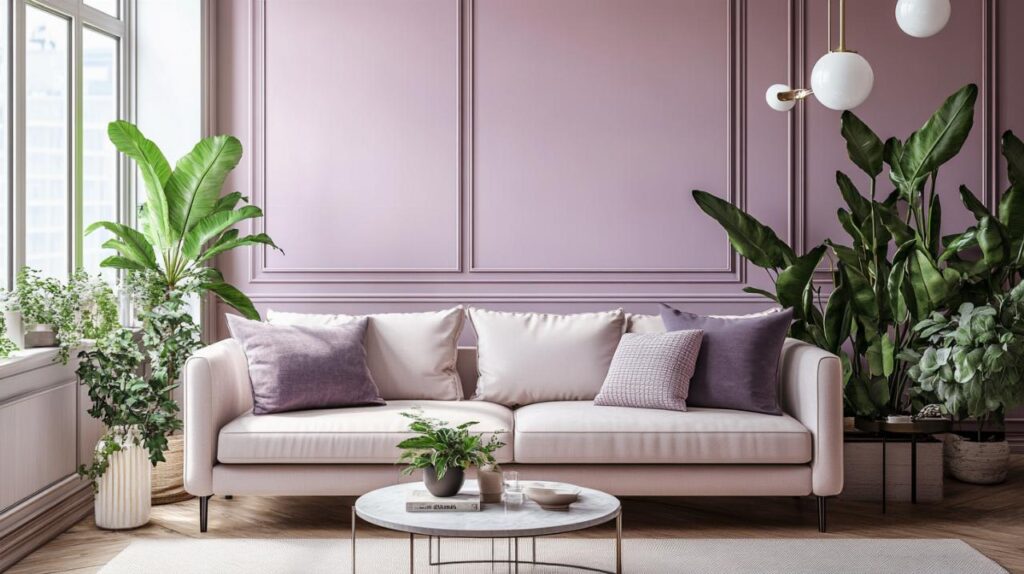
Interior design enthusiasts seeking a fresh and sophisticated palette for their homes will find the emerging wine lilac trend particularly appealing. This distinctive shade, which marries the depth of a fine burgundy with the gentle softness of lavender, has captured the imagination of decorators and homeowners alike. As we move further into the year, this nuanced hue offers a compelling alternative to the neutral tones that have dominated recent seasons, bringing warmth, personality, and a touch of elegance to any room it graces.
Understanding the Wine Lilac Aesthetic in Modern Interior Design
The wine lilac colour trend represents a significant shift in how we approach colour within our living spaces. This complex shade sits at the intersection of purple's many manifestations, drawing from the richness of plum and the delicate nature of mauve. What makes this particular hue so compelling is its versatility and the way it adapts to different lighting conditions throughout the day. In morning light, it can appear as a gentle whisper of colour, whilst evening illumination brings out its deeper, more dramatic qualities. The trend reflects a broader movement towards embracing bolder chromatic choices that still maintain a sense of refinement and subtlety.
What Makes Wine Lilac the Colour of the Season
The resurgence of purple tones in interior design has brought with it a renewed appreciation for the entire spectrum of violet hues, from the deepest aubergine to the palest lilac. Wine lilac specifically has emerged as a standout choice because it bridges the gap between warm and cool tones, making it remarkably adaptable to various design schemes. Unlike some purple shades that can feel either too juvenile or overwhelmingly formal, wine lilac strikes a sophisticated balance that works equally well in contemporary minimalist settings and more traditional environments. The shade has gained particular traction as decorators and homeowners seek colours that offer both visual interest and emotional resonance, moving away from the stark neutrals that have long dominated modern interiors. According to insights from design blogs such as casamaribona.es, this colour has become a focal point for those looking to inject personality into their spaces whilst maintaining an air of understated elegance.
The psychology behind this sophisticated hue
Colour psychology plays a crucial role in understanding why wine lilac has resonated so strongly with contemporary audiences. Purple has long been associated with creativity, luxury, and introspection, qualities that many seek to cultivate within their personal spaces. The wine lilac variation softens these associations with its lighter, more approachable quality, creating environments that feel both nurturing and inspiring. This shade can promote a sense of calm without feeling cold, and it adds warmth without overwhelming a space with intensity. Research into colour perception suggests that these mid-tone purples can help create spaces that feel both restful and energising, depending on how they are deployed and what accompanying colours are chosen. The shade's ability to evoke feelings of sophistication whilst remaining accessible makes it particularly appealing for those seeking to create sanctuaries from the demands of daily life.
Practical ways to incorporate wine lilac throughout your living spaces
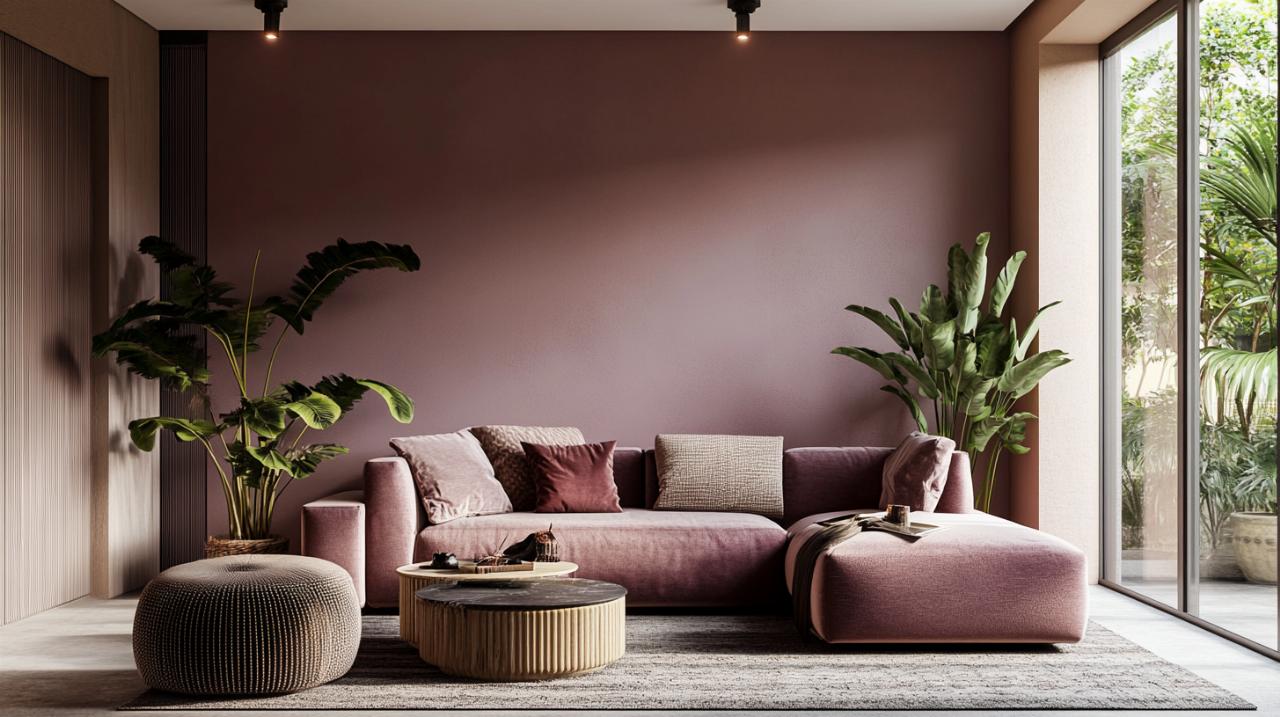
Bringing wine lilac into your home requires thoughtful consideration of both scale and context. The beauty of this trend lies in its flexibility, allowing for everything from bold, room-defining applications to subtle accents that add depth and interest. Whether you are contemplating a complete room transformation or simply seeking to refresh your existing décor, understanding the various approaches to incorporating this colour will help you achieve results that feel both current and timeless. The key is to balance the colour's inherent drama with complementary elements that allow it to shine without overwhelming your space.
Statement walls and feature areas using wine lilac
One of the most impactful ways to embrace the wine lilac trend is through feature walls that create immediate visual interest. A single wall painted in this distinctive shade can transform the entire character of a room, particularly in spaces such as bedrooms where creating a sense of intimacy and relaxation is paramount. The colour works exceptionally well when combined with natural textures, such as solid wood furniture in walnut or oak tones, which provide grounding warmth that prevents the purple from feeling too ethereal. For those hesitant to commit to paint, tile applications offer another avenue for exploration. Soft purple tiles arranged in subtle patterns can bring the wine lilac aesthetic into bathrooms and kitchens, areas where colour is often approached more conservatively. The tone-on-tone approach, which layers different values and saturations of purple together, creates depth and sophistication without requiring additional colours. This technique works particularly well when textural variety is introduced through materials such as velvet or corduroy, which catch light differently and add visual richness to the space.
Accessorising with Soft Furnishings and Decorative Touches
For those who prefer a more gradual approach to incorporating new colour trends, soft furnishings and decorative accessories provide an ideal entry point. Cushions, throws, and curtains in wine lilac shades can be introduced incrementally, allowing you to experiment with the colour without making permanent changes to your space. These elements are particularly effective when layered with complementary tones such as dusky pink, minty green, or earthy browns, creating colour stories that feel curated and intentional. Berry tones work especially well when repeated throughout a space, creating rhythm and visual flow that guides the eye from one area to another. In living rooms, consider side tables in solid wood finishes that provide a natural counterpoint to purple textiles, whilst in bedrooms, deep aubergine linens can create a cocoon-like atmosphere enhanced by varied textures that add depth without additional colour. The Provencal style, with its emphasis on natural materials and gentle colour palettes, provides an excellent framework for incorporating wine lilac in ways that feel organic rather than forced. Even in more contemporary settings, the judicious use of magenta energy balanced with pale blush tones can create spaces that feel vibrant yet sophisticated. The beauty of working with accessories is the flexibility they provide, allowing you to adjust the intensity of the colour presence seasonally or as your tastes evolve, ensuring your home remains a true reflection of your personal aesthetic journey.