
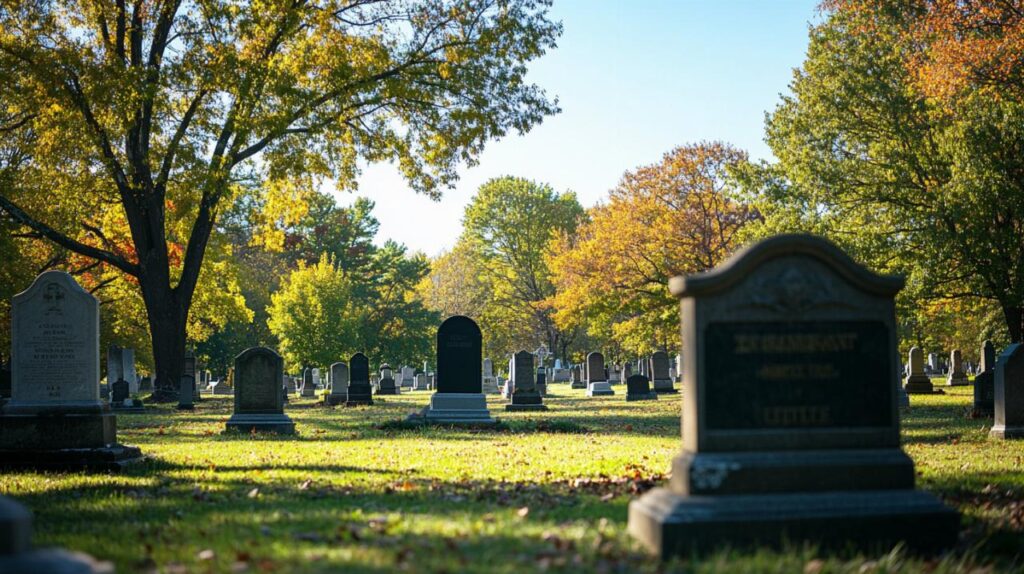
Choosing a funerary monument is a deeply personal decision, marking a place of remembrance for someone cherished. The cost, however, can feel like navigating a maze, with numerous factors influencing the final figure. From the type of stone selected to the intricacy of the design, understanding these variables is essential for making an informed choice. Beyond the initial investment, considering protection against potential damage through insurance adds another layer to the planning process, ensuring the memorial remains a lasting tribute.
Breaking Down the Primary Costs of Funerary Monuments
The expense of a funerary monument is far from uniform, with several key elements shaping the overall price. The type of memorial itself is a fundamental starting point. A simple grave plaque, designed to sit flat against the ground, typically represents a more modest outlay compared to a traditional upright headstone or a grand carved stele that commands attention. The dimensions of the monument naturally play a significant role; a larger memorial requires more material and labour, leading to increased costs. Families must weigh the desire for a substantial tribute against the practicalities of their budget and the regulations imposed by the cemetery or local council, which often stipulate acceptable sizes and styles within their grounds.
Material selection: granite, marble, and beyond
The choice of stone is perhaps one of the most impactful decisions when it comes to cost and longevity. Granite stands out as a particularly popular option across the United Kingdom, prized for its durability and resistance to the elements. The price of granite itself is not fixed, however, as it fluctuates based on several attributes including colour, origin, and the finish applied. Black granite, for instance, often carries a premium due to its striking visual appeal and the relative scarcity of high-quality slabs sourced from specific quarries. Other shades, from soft greys to vibrant reds, each come with their own price tags, reflecting both aesthetic preference and geological availability. Marble, whilst undeniably beautiful with its classic veining and luminous surface, can sometimes be more expensive and may require more careful maintenance over time compared to the robust nature of granite. Beyond these traditional materials, there are alternatives sourced from various corners of the earth, each offering unique characteristics and corresponding costs. When considering material selection, it is also worth noting that some cemeteries have specific guidelines or preferences regarding the types of stone permitted, which can influence the final decision.
Monument Type and Dimensions: From Plaques to Grand Memorials
Moving beyond the material, the physical form and size of the memorial dictate much of the expense. A flat plaque is the simplest form, often chosen for its understated elegance and affordability. Upright headstones, which stand vertically at the head of the grave, come in a vast array of sizes, from modest markers to substantial structures. The dimensions are not merely aesthetic; they directly correlate to the volume of stone required and the complexity of the crafting process. For those seeking a more elaborate tribute, options such as kerbstones that frame the entire grave plot, or even sculptural elements incorporated into the design, will naturally escalate the cost. Smaller options, such as urns for cremated remains that are intended for burial, also exist and offer a different price point altogether. Each cemetery or churchyard may impose specific restrictions on height, width, and depth, which must be adhered to and can sometimes limit choices or require adjustments to initial plans.
Design, customisation, and installation expenses
Once the foundational material and type are settled, the design and customisation aspects become the next significant cost driver. This is where a memorial truly becomes personal, reflecting the unique life and character of the departed. The level of personalisation desired will directly influence the expense, as will the logistical considerations of bringing the monument to its final resting place.

Bespoke designs versus standard models: what influences the price
Opting for a standard model of funerary monument, perhaps chosen from a catalogue of pre-designed styles, generally presents a more economical route. These models, whilst not entirely bespoke, still allow for a degree of personalisation through the inscription of names, dates, and perhaps a short epitaph. The lettering itself, whether simple or in a more ornate font, will have a bearing on the cost, though this is usually a relatively minor component. However, when a family desires something truly unique, a bespoke design enters the picture. This might involve intricate carvings, such as floral motifs, religious symbols, or even portraits etched into the stone. Such detailed work demands considerable skill and time from the stonemason, which is reflected in a higher price. The complexity of the design, the number of elements included, and the level of detail all contribute to the final bill. Some companies offering funerary monuments provide a range of models, each representing different tiers of customisation and, consequently, different price brackets. The key is to find a balance between a meaningful design that honours the deceased and a cost that remains manageable within the family's financial capacity.
Installation considerations: plot position and complexity
The journey of a funerary monument does not end with its creation; it must be safely and securely installed at the gravesite. This installation process, often overlooked in initial cost estimates, can add a notable sum to the overall expense. The position of the burial plot within the cemetery grounds plays a role here. A plot on level, easily accessible ground simplifies the installation, requiring less specialised equipment and potentially less labour time. Conversely, a grave situated on a slope, in a particularly remote area of the cemetery, or in a location with difficult terrain presents logistical challenges. These challenges might necessitate the use of specialised lifting equipment, more complex groundwork to ensure stability, or simply more manual effort, all of which translate into increased installation fees. The specific regulations of the cemetery regarding installation procedures and the times when such work can be carried out can also influence the cost and the timeline. It is always advisable to discuss the installation process in detail with the chosen memorial provider to understand exactly what is involved and what fees will be incurred.
Protecting your investment: insurance options for monument damage
A funerary monument represents a significant emotional and financial investment, intended to endure for generations. However, even the most robust stone is not entirely immune to damage. Accidents, vandalism, theft, or even natural occurrences such as ground movement or severe weather can cause harm. This is where insurance specifically designed for funerary monuments becomes a pertinent consideration, offering a layer of financial protection against unforeseen events.
Why insuring a funerary monument matters
The thought of a memorial being damaged can be deeply distressing for families, compounding the grief of loss with the practicality of repair or replacement costs. Insurance for a funerary monument is designed to provide financial recourse in such unfortunate circumstances. It typically covers damage resulting from accidents, acts of vandalism, theft of elements such as vases or other decorative features, and damage caused by ground movement or subsidence. This coverage can offer considerable peace of mind, knowing that the memorial can be restored without placing an undue financial burden on the family. It is important to understand that standard memorial insurance generally does not cover damage resulting from natural ageing, weathering, or general wear and tear, which are considered part of the monument's natural life cycle. Similarly, damage arising from poor initial installation or a lack of regular maintenance is typically excluded from coverage. The cost of memorial insurance varies depending on several factors, including the assessed value of the monument, its location within the cemetery, and whether there has been any previous damage requiring claims. Whilst insurance is not a legal requirement for owning a funerary monument, some cemeteries or local authorities may recommend or even strongly suggest obtaining coverage as a prudent measure. Providers such as Ursells, based in Herefordshire and serving areas including South Wales, offer memorial insurance as part of their services and can provide detailed information tailored to individual circumstances. They can be contacted at [email protected] or by telephone at 01989 562 530 for specific enquiries regarding coverage and costs.
Comparing Coverage Plans: What to Look For in Monument Insurance
When considering insurance for a funerary monument, it is crucial to carefully compare the coverage plans available from different providers. Not all policies are created equal, and understanding the specifics of what is and is not covered is essential to making an informed decision. The key areas to scrutinise include the types of damage explicitly covered, the circumstances under which a claim can be made, any exclusions that apply, and the process for filing a claim should damage occur. A comprehensive policy will clearly outline coverage for accidental damage, vandalism, theft, and ground movement, providing clarity on the extent of protection offered. It is equally important to be aware of the exclusions. As mentioned, natural ageing, weathering, and damage from a lack of maintenance are commonly excluded, as is damage resulting from the monument being poorly installed in the first place. The cost of the insurance premium is naturally a consideration, but it should not be the sole deciding factor. A slightly higher premium might offer significantly broader coverage or a more straightforward claims process, which could prove invaluable in the event of damage. Families should also enquire about the maximum payout limit under the policy, ensuring it is sufficient to cover the potential cost of repairing or replacing the monument. Reading the policy documents thoroughly, including all the small print, is paramount. If any terms or conditions are unclear, seeking clarification from the insurance provider before committing to a policy is always advisable. Beyond insurance, providers such as Ursells also offer ongoing maintenance services and memorial restoration, which can help preserve the condition of the monument over time and potentially reduce the likelihood of damage that might otherwise require an insurance claim. Their premises are located at Unit 2, Cantilupe Court, Cantilupe Road, Ross on Wye, Herefordshire, HR9 7AN, and they are open Monday to Friday from 9am to 5pm, with appointments available on Saturdays and Sundays. Taking the time to understand insurance options and select a suitable policy ensures that the memorial, a lasting symbol of love and remembrance, is protected for the future.